Why Vehicle Owners Are Choosing Colored PPF Over Vinyl Wraps
Colored paint protection film adds refined style and substantial protection for cars. Find out why some drivers are choosing colored PPF over vinyl wraps.
Date
Jul 22, 2026
Category
Vinyl Wrap

Many drivers want their vehicle to look sharp while holding up against daily wear. Road debris, weather, and regular use take a toll on paint. Protecting the exterior becomes a priority, but the challenge is figuring out which solution fits your goals.
Vinyl wrap often comes to mind when a color change is the priority. Paint protection film (PPF) enters the picture when durability and surface defense take center stage. Colored PPF brings those ideas together, offering a way to upgrade the exterior while adding a stronger layer over the original paint. Read on to discover why some drivers choose colored PPF over vinyl wraps.
What Colored PPF Does
Colored paint protection film uses thermoplastic polyurethane with pigment built into the film. Polyurethane gives the material a durable and flexible body. The adhesive layer beneath it bonds to painted panels after careful preparation.
Protection defines the purpose of PPF. The film creates a physical barrier between factory paint and road debris. Color expands the product beyond clear protection because the visible surface changes while the protective structure remains central.
Installation influences how well colored PPF performs and appears. The thick protective material must settle smoothly across curves and panel edges. To ensure the film looks impeccable, a trained installer cleans the paint and places the film with controlled tension.
What Vinyl Wraps Do
The purpose of a vinyl wrap centers around changing the vehicle's color and design. Vinyl wrap uses cast PVC film with an adhesive backing. The material suits exterior restyling because it bends across body panels with heat and skilled handling.
A wrap gives drivers broad creative range. Solid colors, satin finishes, gloss finishes, accents, and printed graphics all fit naturally within the vinyl category. For car owners who want a fresh, bold exterior, vinyl is a desirable option.
Vinyl also protects the original paint from light contact. However, it's important to note that its structure focuses on appearance rather than impact absorption.
Numerous Design Opportunities
There are countless design options for vinyl wraps that let people express their creativity. A full wrap can shift the entire vehicle into a new gloss or satin finish. A partial wrap can highlight specific areas without changing every painted panel.
Roof accents, hood accents, stripes, and mirror caps all fit naturally within vinyl applications. These choices let owners adjust the exterior to feel bold or subtle, depending on the color, finish, and placement. When design is the goal of the improvement, vinyl wraps shine.
The Original Paint Remains in Good Condition
A clean finish helps the exterior maintain a well-kept appearance, even after years of regular driving. Chips across the hood or bumper can make the surface look worn and diminish the overall presentation.
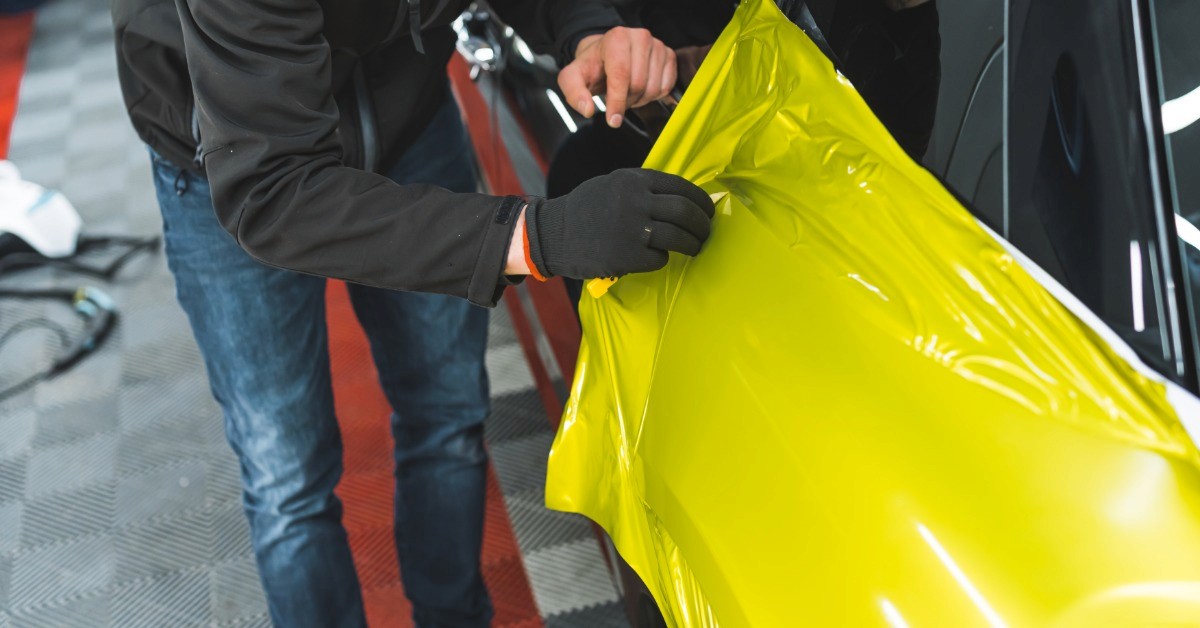
Colored PPF appeals to owners who want to preserve the finish beneath the film. The vehicle receives a new exterior color while the factory paint gains coverage from daily road exposure. Some drivers choose partial coverage on high-impact areas—such as the front bumper, hood, mirrors, and fenders—where debris contact occurs frequently. This approach allows for targeted protection while maintaining a custom appearance and reducing direct exposure on the most vulnerable panels.
Color Change Includes Protection
Vinyl wrap remains an excellent option when design leads the project. It offers strong visual range through full wraps, accents, graphics, and specialty finishes. That creative flexibility makes vinyl a smart choice for drivers who want the exterior to make a bold statement.
On the other hand, color of PPF resides inside of the protective film. The selected finish changes the vehicle’s appearance while the polyurethane surface shields the paint underneath. This combination gives drivers a refined exterior upgrade with protection built into the material itself.
Road Wear Meets a Tough Surface
Small stones strike the bumper and hood, while sand and winter residue gradually wear down lower panels. Over time, this steady contact becomes visible on unprotected paint.
While a vinyl wrap excels at transforming the exterior with a wide range of visual options, colored PPF focuses on reinforcing the entire surface. The thick polyurethane surface absorbs everyday hazards, so imperfections don’t reach the paint below. The result is a crisp exterior and a protected vehicle.
Driving Conditions That Accelerate Wear
Certain road conditions accelerate this wear even further. Rough pavement, loose gravel, and construction zones increase the frequency and intensity of debris striking the vehicle. In cold climates, winter introduces salt, sand, and chemical deicers. They create abrasive contact but also contribute to surface deterioration over time.
Driving along steep, mountainous grades and winding roads often brings higher speeds and more airborne debris. These combined conditions place consistent stress on exterior surfaces, making unprotected paint especially vulnerable during everyday driving.
A Refined Exterior
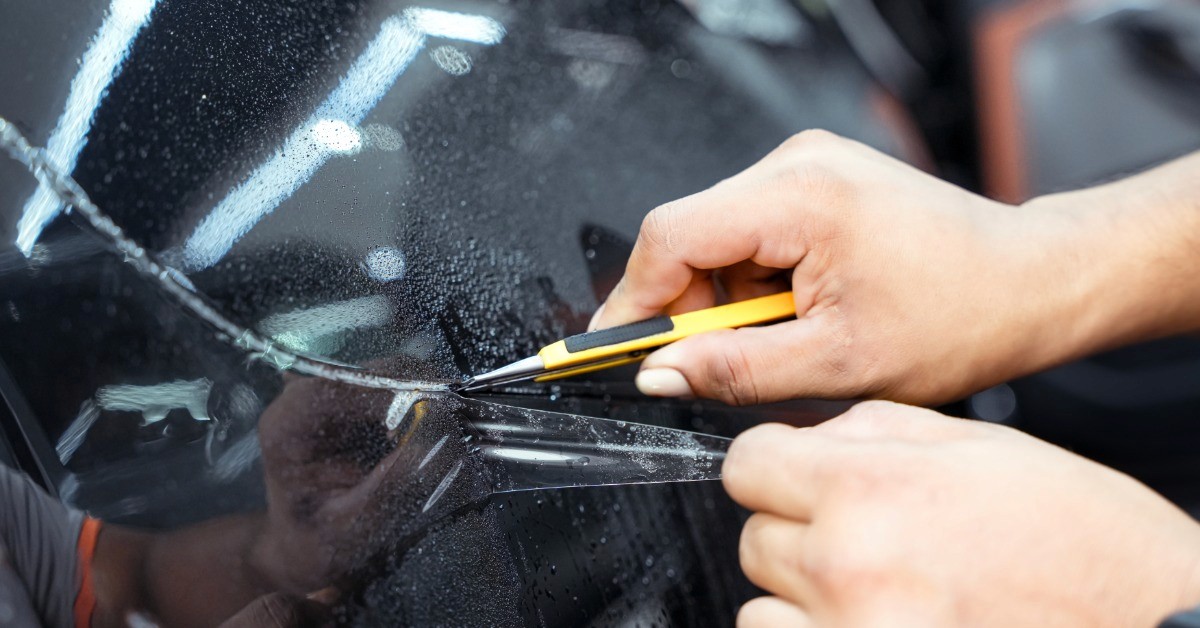
Beyond protection and color change, finish quality plays a major role in how a vehicle is perceived on the road. Modern colored PPF delivers a clean, uniform surface that reflects light. As a result, the vehicle takes on a more cohesive appearance, where each panel blends seamlessly into the next without visual interruption.
In addition, advancements in film manufacturing have improved clarity and depth, allowing the color to appear rich and dimensional. This creates a finish that’s well-integrated with the vehicle’s design. Subtle details, such as how light moves across curves and contours, become pronounced to enhance the car’s overall presence.
While vinyl wrap continues to offer a wide range of textures and graphic possibilities, colored PPF stands out in situations where a smooth, understated finish is preferable. This approach appeals to drivers who want a long-lasting, refined presence.
Choose the Material That Fits Your Vehicle
Colored PPF and vinyl wrap are both valuable vehicle customization methods. Vinyl wrap remains an excellent choice for bold styling, creative graphics, and major color changes. When drivers want to combine protection and style, colored paint protection film is ideal.
The balance of a refined finish and a durable layer over the paint beneath it is the reason why many people choose colored PPF over vinyl wraps. The vehicle gains a polished appearance and stronger defense against everyday road wear.
Mile High Customs’ certified paint protection film installers are ready to find the best solution for your vehicle. Whether you want to add a partial front film or full protection, our team will provide you with a high-quality material that suits your driving habits. For PPF installation in Denver, request a quote today!
Many drivers want their vehicle to look sharp while holding up against daily wear. Road debris, weather, and regular use take a toll on paint. Protecting the exterior becomes a priority, but the challenge is figuring out which solution fits your goals.
Vinyl wrap often comes to mind when a color change is the priority. Paint protection film (PPF) enters the picture when durability and surface defense take center stage. Colored PPF brings those ideas together, offering a way to upgrade the exterior while adding a stronger layer over the original paint. Read on to discover why some drivers choose colored PPF over vinyl wraps.
What Colored PPF Does
Colored paint protection film uses thermoplastic polyurethane with pigment built into the film. Polyurethane gives the material a durable and flexible body. The adhesive layer beneath it bonds to painted panels after careful preparation.
Protection defines the purpose of PPF. The film creates a physical barrier between factory paint and road debris. Color expands the product beyond clear protection because the visible surface changes while the protective structure remains central.
Installation influences how well colored PPF performs and appears. The thick protective material must settle smoothly across curves and panel edges. To ensure the film looks impeccable, a trained installer cleans the paint and places the film with controlled tension.
What Vinyl Wraps Do
The purpose of a vinyl wrap centers around changing the vehicle's color and design. Vinyl wrap uses cast PVC film with an adhesive backing. The material suits exterior restyling because it bends across body panels with heat and skilled handling.
A wrap gives drivers broad creative range. Solid colors, satin finishes, gloss finishes, accents, and printed graphics all fit naturally within the vinyl category. For car owners who want a fresh, bold exterior, vinyl is a desirable option.
Vinyl also protects the original paint from light contact. However, it's important to note that its structure focuses on appearance rather than impact absorption.
Numerous Design Opportunities
There are countless design options for vinyl wraps that let people express their creativity. A full wrap can shift the entire vehicle into a new gloss or satin finish. A partial wrap can highlight specific areas without changing every painted panel.
Roof accents, hood accents, stripes, and mirror caps all fit naturally within vinyl applications. These choices let owners adjust the exterior to feel bold or subtle, depending on the color, finish, and placement. When design is the goal of the improvement, vinyl wraps shine.
The Original Paint Remains in Good Condition
A clean finish helps the exterior maintain a well-kept appearance, even after years of regular driving. Chips across the hood or bumper can make the surface look worn and diminish the overall presentation.
Colored PPF appeals to owners who want to preserve the finish beneath the film. The vehicle receives a new exterior color while the factory paint gains coverage from daily road exposure. Some drivers choose partial coverage on high-impact areas—such as the front bumper, hood, mirrors, and fenders—where debris contact occurs frequently. This approach allows for targeted protection while maintaining a custom appearance and reducing direct exposure on the most vulnerable panels.
Color Change Includes Protection
Vinyl wrap remains an excellent option when design leads the project. It offers strong visual range through full wraps, accents, graphics, and specialty finishes. That creative flexibility makes vinyl a smart choice for drivers who want the exterior to make a bold statement.
On the other hand, color of PPF resides inside of the protective film. The selected finish changes the vehicle’s appearance while the polyurethane surface shields the paint underneath. This combination gives drivers a refined exterior upgrade with protection built into the material itself.
Road Wear Meets a Tough Surface
Small stones strike the bumper and hood, while sand and winter residue gradually wear down lower panels. Over time, this steady contact becomes visible on unprotected paint.
While a vinyl wrap excels at transforming the exterior with a wide range of visual options, colored PPF focuses on reinforcing the entire surface. The thick polyurethane surface absorbs everyday hazards, so imperfections don’t reach the paint below. The result is a crisp exterior and a protected vehicle.
Driving Conditions That Accelerate Wear
Certain road conditions accelerate this wear even further. Rough pavement, loose gravel, and construction zones increase the frequency and intensity of debris striking the vehicle. In cold climates, winter introduces salt, sand, and chemical deicers. They create abrasive contact but also contribute to surface deterioration over time.
Driving along steep, mountainous grades and winding roads often brings higher speeds and more airborne debris. These combined conditions place consistent stress on exterior surfaces, making unprotected paint especially vulnerable during everyday driving.
A Refined Exterior
Beyond protection and color change, finish quality plays a major role in how a vehicle is perceived on the road. Modern colored PPF delivers a clean, uniform surface that reflects light. As a result, the vehicle takes on a more cohesive appearance, where each panel blends seamlessly into the next without visual interruption.
In addition, advancements in film manufacturing have improved clarity and depth, allowing the color to appear rich and dimensional. This creates a finish that’s well-integrated with the vehicle’s design. Subtle details, such as how light moves across curves and contours, become pronounced to enhance the car’s overall presence.
While vinyl wrap continues to offer a wide range of textures and graphic possibilities, colored PPF stands out in situations where a smooth, understated finish is preferable. This approach appeals to drivers who want a long-lasting, refined presence.
Choose the Material That Fits Your Vehicle
Colored PPF and vinyl wrap are both valuable vehicle customization methods. Vinyl wrap remains an excellent choice for bold styling, creative graphics, and major color changes. When drivers want to combine protection and style, colored paint protection film is ideal.
The balance of a refined finish and a durable layer over the paint beneath it is the reason why many people choose colored PPF over vinyl wraps. The vehicle gains a polished appearance and stronger defense against everyday road wear.
Mile High Customs’ certified paint protection film installers are ready to find the best solution for your vehicle. Whether you want to add a partial front film or full protection, our team will provide you with a high-quality material that suits your driving habits. For PPF installation in Denver, request a quote today!

