The Best Vehicle Appearance Upgrades for First-Time Car Owners
Explore the best vehicle appearance upgrades for first-time car owners. Each choice adds personal style while preserving your vehicle’s factory finish.
Date
Aug 18, 2026
Category
Vinyl Wrap

You finally own your first car and want to personalize a few details. If the style doesn’t quite fit your preferences, there are several changes to upgrade its appearance.
Some owners want a more vibrant exterior, while others want a coating that will protect the surface against daily wear with a glossy shine. Each one produces a unique result personalized to the driver’s preferences. Here’s what first-time car owners should know about their vehicle appearance upgrade options, so they can choose the best exterior improvement.
Exterior Detailing
Exterior detailing serves as the starting point for improving a vehicle’s appearance. This approach works especially well for a first car with paint that remains in good condition yet lacks depth or clarity. By restoring the original finish rather than changing it, detailing enhances the vehicle’s natural color and design.
The process starts by washing the car to remove loose dirt and surface grime. Next, bonded contamination, such as road film and tiny metal particles, becomes the focus. These elements cling to the clear coat even after a standard wash.
To address this, a clay treatment or synthetic alternative pulls embedded debris from the surface. The result is a smooth surface that reflects light evenly across the panels. Polishing follows this stage and works by gently leveling a small portion of the clear coat, which reduces light swirls and mild oxidation without altering the overall structure of the paint.
Window Tinting
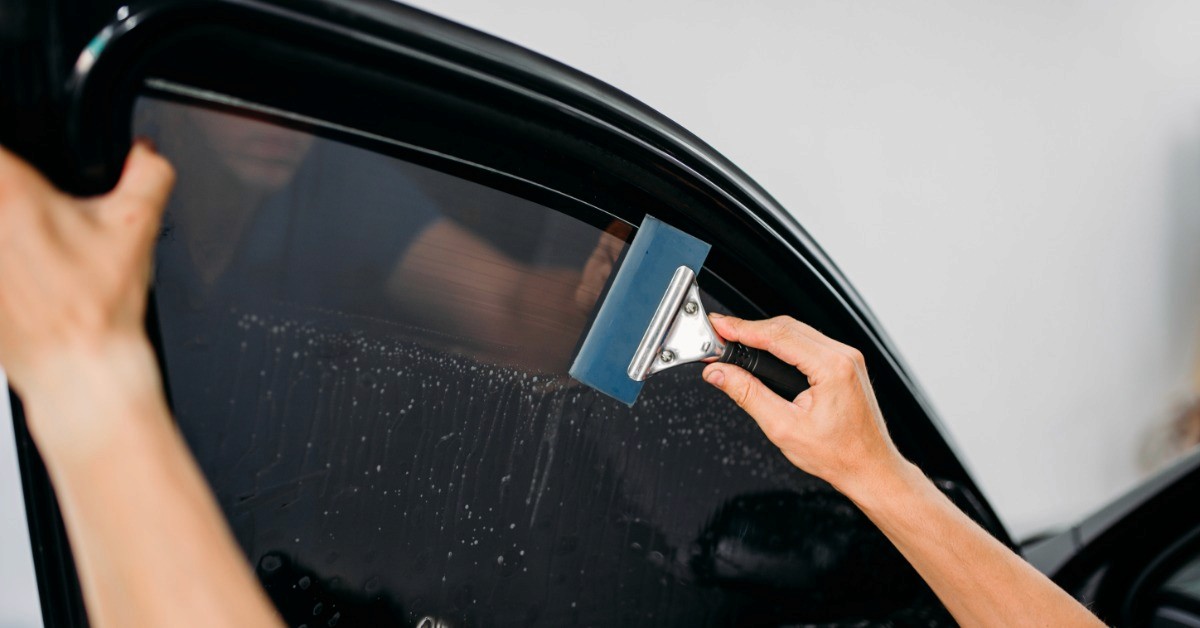
Automotive window tint uses a thin film to refine both the appearance and performance of vehicle glass. Most products rely on layered polyester infused with dyes or ceramic particles, but there are other options. Dyed film provides a darker look at a lower cost, while ceramic film manages heat and glare through advanced nonmetallic materials. Each of these options will establish a seamless band around the cabin that adds sharp contrast against the paint.
The goal of auto window tint installation is to enhance everyday driving comfort. Because the film filters ultraviolet rays, it protects interior surfaces from fading over time. At the same time, ceramic options reduce solar heat without sacrificing clarity. Drivers will feel comfortable inside the cabin while enjoying the car’s new sleek exterior appearance.
Paint Protection Film
Paint protection film (PPF) uses transparent polyurethane to cover vulnerable painted areas. The material stretches across curves while its adhesive holds the film against the panel. Many premium products include a self-healing topcoat that softens light marks under heat. As a result, the finish recovers from mild scuffs caused by washing or daily contact.
Hood edges and front bumpers receive frequent exposure during highway travel. Likewise, mirror caps and rocker panels collect damage from gravel or winter sand. PPF absorbs much of that light abrasion before it reaches the clear coat.
Gloss PPF maintains a polished appearance, while matte film produces a satin-like surface. Although neither choice prevents dents or stops a deep scrape, the material excels at mitigating chips and minor surface wear across high-contact zones.
Ceramic Coating
Ceramic coating begins as a liquid formula with silicon dioxide and carrier solvents. The material cures into a thin, transparent layer on the car’s clear coat.
The most visible benefit comes from rich reflection. Ceramic coating deepens paint and sharpens light across curved panels. In addition, its slick surface encourages water to form rounded beads that move away from the finish. Dirt gains less grip, so routine washing takes less effort.
Hardness Ratings
Ceramic coating hardness refers to how well the cured surface resists light scratches and minor abrasions. These ratings are typically measured using the pencil hardness scale, which evaluates how resistant the coating is to marking from materials of varying hardness.
While high ratings indicate a strong resistance to surface marring, they don’t equate to preventing damage from impacts, like gravel or deep scratches. Understanding the ceramic coating ratings will help you choose the best coating for your vehicle.
7H offers basic protection against light swirl marks and minor surface wear. It’s ideal for drivers seeking improved gloss with moderate durability.
8H provides enhanced resistance to fine scratches and environmental contaminants.
9H delivers strong resistance to surface marring and chemical exposure. It’s best for owners who want maximum durability and long-term finish preservation.
10H resists minor surface wear caused by dust, light debris contact, and high UV rays.
Vinyl Wrap Accents
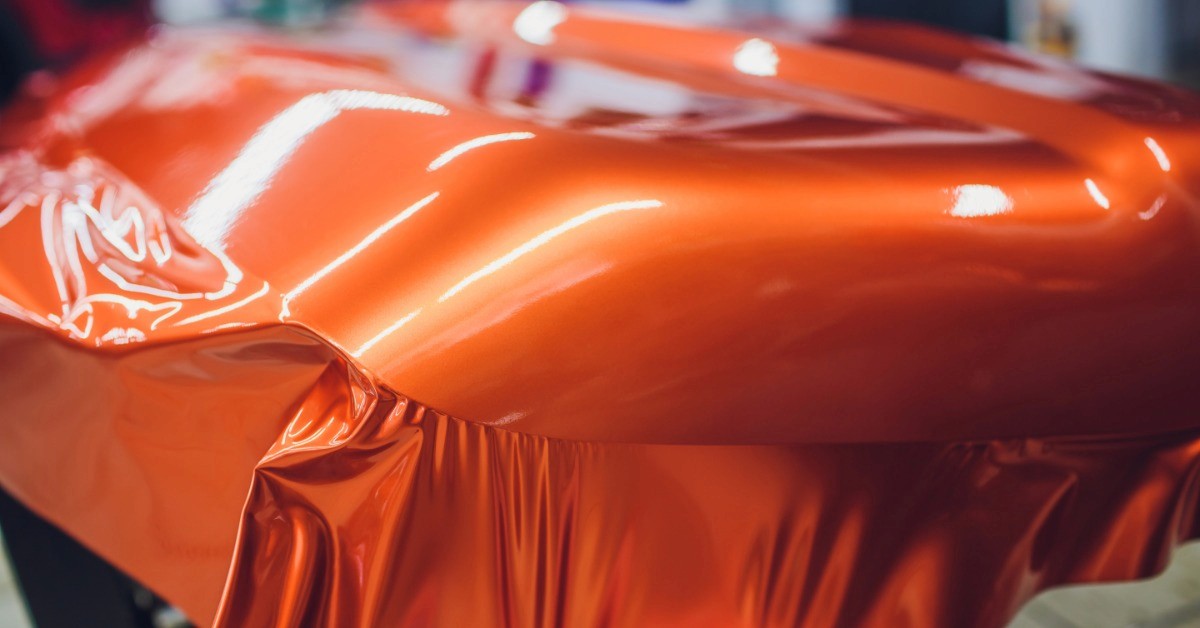
Vinyl wrap accents offer a versatile way to reshape a vehicle’s appearance while adding a layer of surface durability. Automotive vinyl uses flexible cast film that conforms smoothly across panels and maintains a consistent finish over time. The material resists fading and minor surface wear while maintaining a fresh look.
Customization is one of the top advantages of vinyl accents. Small applications, such as roof wraps and mirror caps, introduce contrast without taking over the original design. Meanwhile, large sections allow for bold color shifts or textured finishes that redefine the vehicle’s identity. These options give owners control over style while preserving the underlying paint for future changes.
Strength and Design Flexibility
Vinyl also contributes to light surface protection while enhancing visual depth. It shields against minor scuffs and environmental residue that dulls unprotected paint.
However, its primary value lies in balancing appearance with flexibility. Installers can remove or update the surface as the driver’s preferences evolve. Therefore, vinyl wrap accents provide a practical path toward personalization with added durability.
Wheel and Tire Upgrades
Since the wheels and tires occupy a large portion of the vehicle’s visual footprint, subtle changes dramatically alter its overall presence. Size is one of the most noticeable factors.
Diameter and width determine how the wheel fills the fender space, which directly affects the vehicle’s stance. A large diameter establishes a strong, modern look. Keep in mind that this upgrade comes with trade-offs, as shorter sidewalls reduce the tire’s ability to absorb road imperfections. For this reason, first-time owners should consider how their driving environment aligns with their desired design aesthetic.
Design Elements
Design elements bring the upgrade together visually. There are numerous options to choose from, so it’s important to find which aesthetic resonates with you.
Spoke patterns influence how much of the brake system is visible. Thin spokes offer a more open, performance-oriented look. Thick spokes establish a bold, solid impression that emphasizes strength and presence.
Finish also plays a key role in defining the vehicle’s character. Silver and machined finishes maintain a timeless, factory-inspired appearance. Dark tones introduce contrast and create a more customized and aggressive visual effect.
Enhance Your Car’s Character With Exterior Upgrades
For first-time car owners, there are countless exterior upgrades to choose from. Each of these improvements will take your vehicle’s appearance and durability to the next level.
From vinyl wraps that introduce custom decals to a ceramic coating that withstands everyday wear, Mile High Customs is ready to help. Our certified installers use premium materials to ensure that each car leaves the facility in impeccable condition. Get a quote for the auto upgrade that piques your interest, and our installers will execute it flawlessly.
You finally own your first car and want to personalize a few details. If the style doesn’t quite fit your preferences, there are several changes to upgrade its appearance.
Some owners want a more vibrant exterior, while others want a coating that will protect the surface against daily wear with a glossy shine. Each one produces a unique result personalized to the driver’s preferences. Here’s what first-time car owners should know about their vehicle appearance upgrade options, so they can choose the best exterior improvement.
Exterior Detailing
Exterior detailing serves as the starting point for improving a vehicle’s appearance. This approach works especially well for a first car with paint that remains in good condition yet lacks depth or clarity. By restoring the original finish rather than changing it, detailing enhances the vehicle’s natural color and design.
The process starts by washing the car to remove loose dirt and surface grime. Next, bonded contamination, such as road film and tiny metal particles, becomes the focus. These elements cling to the clear coat even after a standard wash.
To address this, a clay treatment or synthetic alternative pulls embedded debris from the surface. The result is a smooth surface that reflects light evenly across the panels. Polishing follows this stage and works by gently leveling a small portion of the clear coat, which reduces light swirls and mild oxidation without altering the overall structure of the paint.
Window Tinting
Automotive window tint uses a thin film to refine both the appearance and performance of vehicle glass. Most products rely on layered polyester infused with dyes or ceramic particles, but there are other options. Dyed film provides a darker look at a lower cost, while ceramic film manages heat and glare through advanced nonmetallic materials. Each of these options will establish a seamless band around the cabin that adds sharp contrast against the paint.
The goal of auto window tint installation is to enhance everyday driving comfort. Because the film filters ultraviolet rays, it protects interior surfaces from fading over time. At the same time, ceramic options reduce solar heat without sacrificing clarity. Drivers will feel comfortable inside the cabin while enjoying the car’s new sleek exterior appearance.
Paint Protection Film
Paint protection film (PPF) uses transparent polyurethane to cover vulnerable painted areas. The material stretches across curves while its adhesive holds the film against the panel. Many premium products include a self-healing topcoat that softens light marks under heat. As a result, the finish recovers from mild scuffs caused by washing or daily contact.
Hood edges and front bumpers receive frequent exposure during highway travel. Likewise, mirror caps and rocker panels collect damage from gravel or winter sand. PPF absorbs much of that light abrasion before it reaches the clear coat.
Gloss PPF maintains a polished appearance, while matte film produces a satin-like surface. Although neither choice prevents dents or stops a deep scrape, the material excels at mitigating chips and minor surface wear across high-contact zones.
Ceramic Coating
Ceramic coating begins as a liquid formula with silicon dioxide and carrier solvents. The material cures into a thin, transparent layer on the car’s clear coat.
The most visible benefit comes from rich reflection. Ceramic coating deepens paint and sharpens light across curved panels. In addition, its slick surface encourages water to form rounded beads that move away from the finish. Dirt gains less grip, so routine washing takes less effort.
Hardness Ratings
Ceramic coating hardness refers to how well the cured surface resists light scratches and minor abrasions. These ratings are typically measured using the pencil hardness scale, which evaluates how resistant the coating is to marking from materials of varying hardness.
While high ratings indicate a strong resistance to surface marring, they don’t equate to preventing damage from impacts, like gravel or deep scratches. Understanding the ceramic coating ratings will help you choose the best coating for your vehicle.
7H offers basic protection against light swirl marks and minor surface wear. It’s ideal for drivers seeking improved gloss with moderate durability.
8H provides enhanced resistance to fine scratches and environmental contaminants.
9H delivers strong resistance to surface marring and chemical exposure. It’s best for owners who want maximum durability and long-term finish preservation.
10H resists minor surface wear caused by dust, light debris contact, and high UV rays.
Vinyl Wrap Accents
Vinyl wrap accents offer a versatile way to reshape a vehicle’s appearance while adding a layer of surface durability. Automotive vinyl uses flexible cast film that conforms smoothly across panels and maintains a consistent finish over time. The material resists fading and minor surface wear while maintaining a fresh look.
Customization is one of the top advantages of vinyl accents. Small applications, such as roof wraps and mirror caps, introduce contrast without taking over the original design. Meanwhile, large sections allow for bold color shifts or textured finishes that redefine the vehicle’s identity. These options give owners control over style while preserving the underlying paint for future changes.
Strength and Design Flexibility
Vinyl also contributes to light surface protection while enhancing visual depth. It shields against minor scuffs and environmental residue that dulls unprotected paint.
However, its primary value lies in balancing appearance with flexibility. Installers can remove or update the surface as the driver’s preferences evolve. Therefore, vinyl wrap accents provide a practical path toward personalization with added durability.
Wheel and Tire Upgrades
Since the wheels and tires occupy a large portion of the vehicle’s visual footprint, subtle changes dramatically alter its overall presence. Size is one of the most noticeable factors.
Diameter and width determine how the wheel fills the fender space, which directly affects the vehicle’s stance. A large diameter establishes a strong, modern look. Keep in mind that this upgrade comes with trade-offs, as shorter sidewalls reduce the tire’s ability to absorb road imperfections. For this reason, first-time owners should consider how their driving environment aligns with their desired design aesthetic.
Design Elements
Design elements bring the upgrade together visually. There are numerous options to choose from, so it’s important to find which aesthetic resonates with you.
Spoke patterns influence how much of the brake system is visible. Thin spokes offer a more open, performance-oriented look. Thick spokes establish a bold, solid impression that emphasizes strength and presence.
Finish also plays a key role in defining the vehicle’s character. Silver and machined finishes maintain a timeless, factory-inspired appearance. Dark tones introduce contrast and create a more customized and aggressive visual effect.
Enhance Your Car’s Character With Exterior Upgrades
For first-time car owners, there are countless exterior upgrades to choose from. Each of these improvements will take your vehicle’s appearance and durability to the next level.
From vinyl wraps that introduce custom decals to a ceramic coating that withstands everyday wear, Mile High Customs is ready to help. Our certified installers use premium materials to ensure that each car leaves the facility in impeccable condition. Get a quote for the auto upgrade that piques your interest, and our installers will execute it flawlessly.

