How To Keep Your Vehicle Looking New for Years
Keeping your vehicle looking new for years takes consistent care. Explore the maintenance choices that preserve a polished appearance and lasting value.
Date
Aug 28, 2026
Category
PPF

A vehicle’s appearance changes through thousands of small exposures. Road film settles across the paint after a commute. Brake dust darkens the wheels as sunlight works against interior surfaces. Together, these changes gradually eat away at the crisp finish owners want to preserve.
Regular care keeps these damaging substances from degrading the car’s appearance. Find out which maintenance practices and auto improvements will keep your vehicle looking new for years.
Wash the Paint Before Contaminants Bond
Road film begins forming within days of driving, especially after highway travel or wet conditions. Bird droppings and tree sap create concentrated spots of contamination. Bug residue spreads across bumpers or mirror caps after highway driving. Then, the combination of heat and sunlight bakes these materials onto the paint, making removal increasingly difficult.
When you let that buildup sit for a week or longer, it starts to bond with the clear coat and becomes far more difficult to remove without increasing friction against the surface. That extra contact slowly wears down the paint’s clarity and weakens the sharp reflections that make a vehicle look freshly finished.
Most vehicles benefit from a wash every one to two weeks under normal driving conditions. Daily drivers in urban environments or areas with frequent rain, dust, or road salt typically need weekly cleaning to prevent buildup from hardening. On the other hand, vehicles that see light use or stay stored indoors can stretch to a two-week interval.
Clean Interior Surfaces Consistently
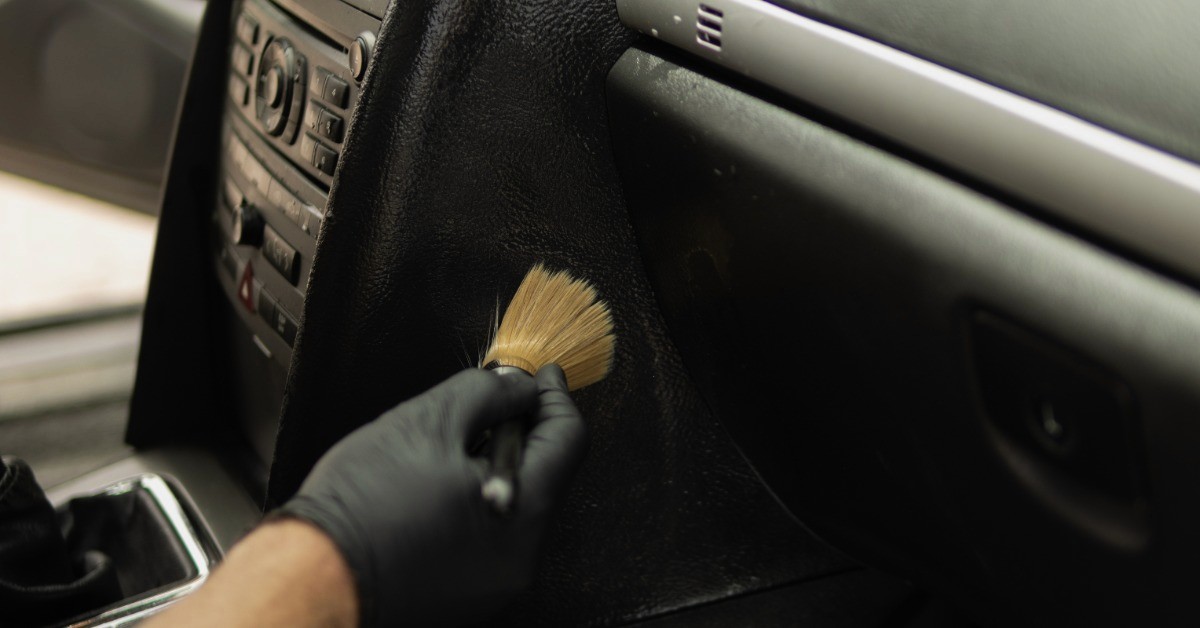
Interior wear develops gradually, and most owners only notice it once it becomes impossible to overlook. Dust drifts into vents and settles along console seams, while skin oils accumulate on the steering wheel and head unit buttons. Over time, grit works its way into carpet fibers and slowly alters their texture, making the cabin feel unrefined.
A consistently clean interior maintains its sense of freshness far better than one that only receives occasional attention. When surfaces stay free of buildup, materials hold their original color, texture, and finish for many more years.
Shield Impact Zones With Paint Protection Film
Some areas lose their fresh appearance faster than other exterior vehicle components because they take the brunt of physical impact. The front bumper, hood, and lower fenders constantly face high-speed contact from small stones and road debris. Each impact removes microscopic layers of paint. Over time, those tiny chips accumulate into visible wear that breaks up an otherwise clean finish.
Paint protection film (PPF) is a clear, durable polyurethane layer over the factory paint. Instead of allowing debris to strike the surface directly, the film absorbs and disperses that energy to keep the paint job intact. This barrier preserves the original finish while giving the vehicle a uniform appearance.
Find a Secure Parking Spot
Parking location plays a direct role in how quickly a vehicle’s exterior and interior age. Every environment introduces its own form of stress, and those effects build up even during short periods of inactivity. Direct sunlight breaks down clear coat over time and accelerates fading across paint and interior materials. Tree cover may seem protective at first glance, but it allows sap, pollen, leaves, and more debris to bond and stain the surface.
Covered parking consistently delivers the strongest protection because it blocks UV exposure, limits airborne contaminants, and reduces contact with environmental debris. If covered options aren’t available, thoughtful placement still makes a noticeable difference in long-term appearance.
Park in covered or enclosed structures whenever possible to block UV rays, rain, and airborne pollutants that gradually dull paint and weaken interior materials.
Avoid parking directly under trees, since sap, bird droppings, and falling branches can stain or physically damage the finish over time.
Stay clear of sprinkler zones and irrigation runoff that could cause mineral-rich water spots to bond onto the paint and glass after drying.
Choose open, well-ventilated spaces over tight shaded corners to decrease moisture buildup that encourages residue and spotting.
Rotate parking spots, when possible, in long-term outdoor storage situations to prevent concentrated exposure to the same environmental hazards.
Protect Paint With Ceramic Coating
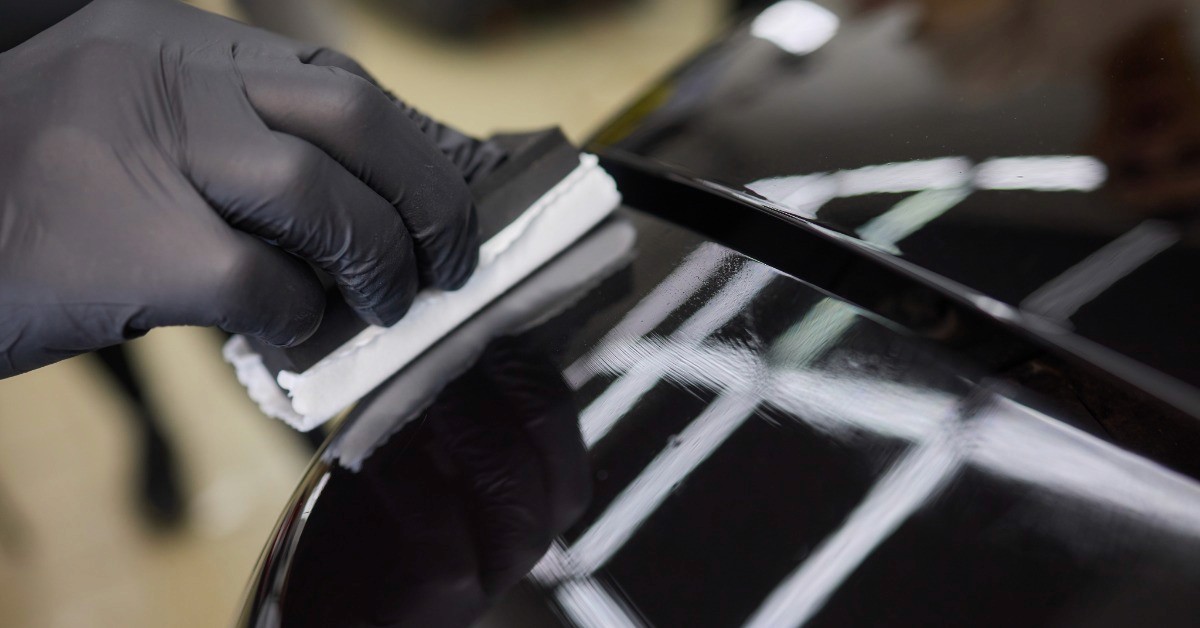
Ceramic coating creates a durable layer across prepared automotive paint. Once applied, the liquid coating bonds with the surface and forms a slick barrier against water or environmental contamination. Road grime and mineral residue have a difficult time clinging to the finish. That protection limits the buildup responsible for making clean paint appear dull or neglected.
The coating works best on paint that already has a smooth surface. Professional preparation removes embedded contaminants and addresses visible imperfections before application. Once the coating cures, it preserves the condition underneath instead of hiding scratches or neglected paint. Owners gain the greatest visual benefit when ceramic coating becomes part of an ongoing care routine.
Preserve Depth and Gloss
Fresh paint has depth because light reflects evenly across a smooth clear coat. Fine swirls and bonded contamination interrupt those reflections as the exterior ages. Even minor surface defects eventually soften the shine across hoods or doors.
Ceramic coating reinforces a polished surface and enhances its reflective appearance. Its smooth finish produces richer gloss across body lines and curved panels. That visual depth keeps the paint looking freshly detailed between washes.
Reduce the Strain of Routine Cleaning
Contaminants change a vehicle’s appearance quickly when they remain attached to the paint. Dust collects across horizontal panels and road film settles along lower body sections. Repeated exposure creates a hazy layer that masks the finish underneath.
Ceramic coating creates a slick surface that makes many contaminants easier to release during washing. Its hydrophobic properties cause water to bead across the paint instead of spreading into broad sheets. Because grime doesn’t cling as aggressively, owners can clean the exterior with less scrubbing.
Safeguard the Wheels’ Finish
Wheels struggle to maintain their pristine presence because of their direct contact with the road. They constantly absorb heat, friction, and airborne debris. Brake systems release fine dust every time the vehicle slows down, and the dust immediately settles into tight wheel spokes. Not to mention, road salt, tar, and grime layer on top of that buildup.
Consistent cleaning interrupts this cycle before contaminants etch into the surface or damage the protective coating. Wheel brushes are a great tool for removing embedded brake dust.
Other wheel issues include curb rash and peeling clear coats. These imperfections undermine the clean lines that define a vehicle’s stance, drawing attention away from the body. When repairs are no longer appropriate, replacing damaged wheels reestablishes visual balance across the exterior.
Preserve Your Vehicle’s Character
A vehicle holds its best appearance when you treat care as an ongoing commitment. Every wash you perform removes abrasive grime before it eats away at the clear coat. Every time you choose covered parking, you shield the paint from UV rays and airborne debris. When you add ceramic coating or PPF, you strengthen the surfaces that face harsh daily exposure.
Mile High Customs supports drivers who want to keep their vehicle looking great for years. Our team provides detailing and exterior protection services, including ceramic coating installation in Denver and paint preparation tailored to your vehicle’s condition. Our premier facility and qualified professionals will help you maintain the depth of the paint and the overall sense of freshness that makes a car stand out.
A vehicle’s appearance changes through thousands of small exposures. Road film settles across the paint after a commute. Brake dust darkens the wheels as sunlight works against interior surfaces. Together, these changes gradually eat away at the crisp finish owners want to preserve.
Regular care keeps these damaging substances from degrading the car’s appearance. Find out which maintenance practices and auto improvements will keep your vehicle looking new for years.
Wash the Paint Before Contaminants Bond
Road film begins forming within days of driving, especially after highway travel or wet conditions. Bird droppings and tree sap create concentrated spots of contamination. Bug residue spreads across bumpers or mirror caps after highway driving. Then, the combination of heat and sunlight bakes these materials onto the paint, making removal increasingly difficult.
When you let that buildup sit for a week or longer, it starts to bond with the clear coat and becomes far more difficult to remove without increasing friction against the surface. That extra contact slowly wears down the paint’s clarity and weakens the sharp reflections that make a vehicle look freshly finished.
Most vehicles benefit from a wash every one to two weeks under normal driving conditions. Daily drivers in urban environments or areas with frequent rain, dust, or road salt typically need weekly cleaning to prevent buildup from hardening. On the other hand, vehicles that see light use or stay stored indoors can stretch to a two-week interval.
Clean Interior Surfaces Consistently
Interior wear develops gradually, and most owners only notice it once it becomes impossible to overlook. Dust drifts into vents and settles along console seams, while skin oils accumulate on the steering wheel and head unit buttons. Over time, grit works its way into carpet fibers and slowly alters their texture, making the cabin feel unrefined.
A consistently clean interior maintains its sense of freshness far better than one that only receives occasional attention. When surfaces stay free of buildup, materials hold their original color, texture, and finish for many more years.
Shield Impact Zones With Paint Protection Film
Some areas lose their fresh appearance faster than other exterior vehicle components because they take the brunt of physical impact. The front bumper, hood, and lower fenders constantly face high-speed contact from small stones and road debris. Each impact removes microscopic layers of paint. Over time, those tiny chips accumulate into visible wear that breaks up an otherwise clean finish.
Paint protection film (PPF) is a clear, durable polyurethane layer over the factory paint. Instead of allowing debris to strike the surface directly, the film absorbs and disperses that energy to keep the paint job intact. This barrier preserves the original finish while giving the vehicle a uniform appearance.
Find a Secure Parking Spot
Parking location plays a direct role in how quickly a vehicle’s exterior and interior age. Every environment introduces its own form of stress, and those effects build up even during short periods of inactivity. Direct sunlight breaks down clear coat over time and accelerates fading across paint and interior materials. Tree cover may seem protective at first glance, but it allows sap, pollen, leaves, and more debris to bond and stain the surface.
Covered parking consistently delivers the strongest protection because it blocks UV exposure, limits airborne contaminants, and reduces contact with environmental debris. If covered options aren’t available, thoughtful placement still makes a noticeable difference in long-term appearance.
Park in covered or enclosed structures whenever possible to block UV rays, rain, and airborne pollutants that gradually dull paint and weaken interior materials.
Avoid parking directly under trees, since sap, bird droppings, and falling branches can stain or physically damage the finish over time.
Stay clear of sprinkler zones and irrigation runoff that could cause mineral-rich water spots to bond onto the paint and glass after drying.
Choose open, well-ventilated spaces over tight shaded corners to decrease moisture buildup that encourages residue and spotting.
Rotate parking spots, when possible, in long-term outdoor storage situations to prevent concentrated exposure to the same environmental hazards.
Protect Paint With Ceramic Coating
Ceramic coating creates a durable layer across prepared automotive paint. Once applied, the liquid coating bonds with the surface and forms a slick barrier against water or environmental contamination. Road grime and mineral residue have a difficult time clinging to the finish. That protection limits the buildup responsible for making clean paint appear dull or neglected.
The coating works best on paint that already has a smooth surface. Professional preparation removes embedded contaminants and addresses visible imperfections before application. Once the coating cures, it preserves the condition underneath instead of hiding scratches or neglected paint. Owners gain the greatest visual benefit when ceramic coating becomes part of an ongoing care routine.
Preserve Depth and Gloss
Fresh paint has depth because light reflects evenly across a smooth clear coat. Fine swirls and bonded contamination interrupt those reflections as the exterior ages. Even minor surface defects eventually soften the shine across hoods or doors.
Ceramic coating reinforces a polished surface and enhances its reflective appearance. Its smooth finish produces richer gloss across body lines and curved panels. That visual depth keeps the paint looking freshly detailed between washes.
Reduce the Strain of Routine Cleaning
Contaminants change a vehicle’s appearance quickly when they remain attached to the paint. Dust collects across horizontal panels and road film settles along lower body sections. Repeated exposure creates a hazy layer that masks the finish underneath.
Ceramic coating creates a slick surface that makes many contaminants easier to release during washing. Its hydrophobic properties cause water to bead across the paint instead of spreading into broad sheets. Because grime doesn’t cling as aggressively, owners can clean the exterior with less scrubbing.
Safeguard the Wheels’ Finish
Wheels struggle to maintain their pristine presence because of their direct contact with the road. They constantly absorb heat, friction, and airborne debris. Brake systems release fine dust every time the vehicle slows down, and the dust immediately settles into tight wheel spokes. Not to mention, road salt, tar, and grime layer on top of that buildup.
Consistent cleaning interrupts this cycle before contaminants etch into the surface or damage the protective coating. Wheel brushes are a great tool for removing embedded brake dust.
Other wheel issues include curb rash and peeling clear coats. These imperfections undermine the clean lines that define a vehicle’s stance, drawing attention away from the body. When repairs are no longer appropriate, replacing damaged wheels reestablishes visual balance across the exterior.
Preserve Your Vehicle’s Character
A vehicle holds its best appearance when you treat care as an ongoing commitment. Every wash you perform removes abrasive grime before it eats away at the clear coat. Every time you choose covered parking, you shield the paint from UV rays and airborne debris. When you add ceramic coating or PPF, you strengthen the surfaces that face harsh daily exposure.
Mile High Customs supports drivers who want to keep their vehicle looking great for years. Our team provides detailing and exterior protection services, including ceramic coating installation in Denver and paint preparation tailored to your vehicle’s condition. Our premier facility and qualified professionals will help you maintain the depth of the paint and the overall sense of freshness that makes a car stand out.

