How To Care for Your Vehicle After PPF Installation
Washing a vehicle too soon after installing paint protection film can ruin the finish. Follow these tips to care for your car's new PPF properly.
Date
Sep 18, 2026
Category
PPF

Fresh paint protection film needs time for the adhesive to settle in. Washing, pressure, and aggressive cleaning products could interfere with newly installed edges. When you know how to care for your vehicle after PPF installation, you’ll be able to care for the auto upgrade properly.
Give Fresh Film Time To Set
A newly installed film continues developing its bond once the vehicle leaves the shop. Moisture used during installation can remain beneath the material for a short period, and small hazy areas or light pockets may appear as that moisture evaporates.
Avoid washing the vehicle until the installer’s recommended wait time has passed. LLumar advises waiting 72 hours before washing newly installed PPF, while others suggest waiting at least seven days. Following the instructions closely will ensure that drivers don’t disturb the bond.
Wash the Vehicle by Hand
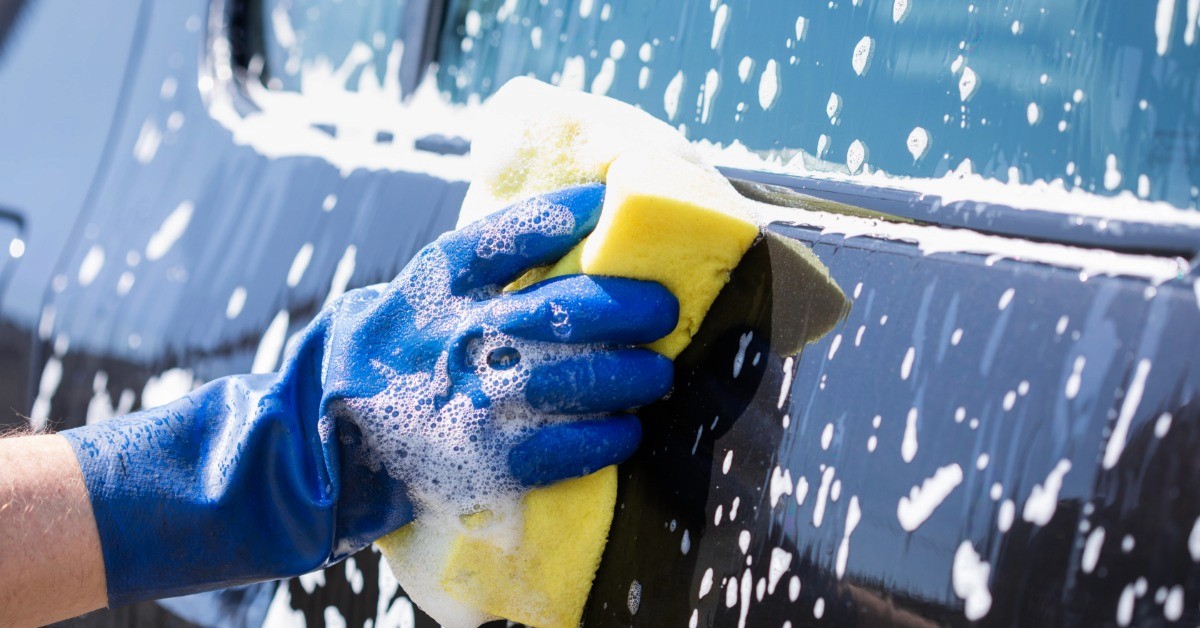
Aggressive, automated car-washing equipment could damage the film. It’s best to wash the vehicle by hand once the initial wait period ends.
A soft wash mitt or clean microfiber cloth lifts dust and road film without grinding debris across the surface. Using clean water throughout the wash reduces the chance that trapped grit will drag across the film. Rinse the mitt frequently as dirt accumulates so that the same particles don’t keep moving from one panel to another.
Automatic tunnel washes introduce rotating brushes and repeated contact that may dull the surface or catch exposed film edges. Touchless washes avoid brush contact, although hand washing remains the preferred method in manufacturer care guidance. Working on a cool vehicle and out of direct sunlight also keeps soap and water from drying too quickly across the finish.
Avoid Pressure Washing at the Film’s Edges
High-pressure water becomes risky when the stream hits an edge from the wrong angle. Force directed beneath the film can weaken the bond and encourage lifting, especially around seams, wrapped edges, mirrors, bumpers, and other areas with complex contours. Even a well-installed film benefits from careful washing around these vulnerable points.
If a pressure washer is part of the cleaning routine, keep the nozzle well away from the surface and avoid aiming directly into film edges. Manufacturer distance and pressure limits vary by product, so the film maker’s care instructions take priority. A wide spray pattern and controlled distance provide a gentler approach than a concentrated jet aimed close to the panel.
Remove Contaminants Before They Harden
Bug residue, bird droppings, tree sap, fuel, and road grime become tough to remove after drying onto the surface. Some contaminants contain compounds that stain or mark exterior materials, and aggressive scrubbing increases the chance of damaging the film. Prompt removal keeps the cleanup lighter and protects the appearance of the protected panel.
For stubborn residue, soften the spot by applying a cleaner designed to clean the film. Another option is to use warm soapy water before wiping it with a clean microfiber towel. Heavy rubbing, scraping tools, and abrasive pads create more risk than patient cleaning.
Dry the Film Following Every Wash
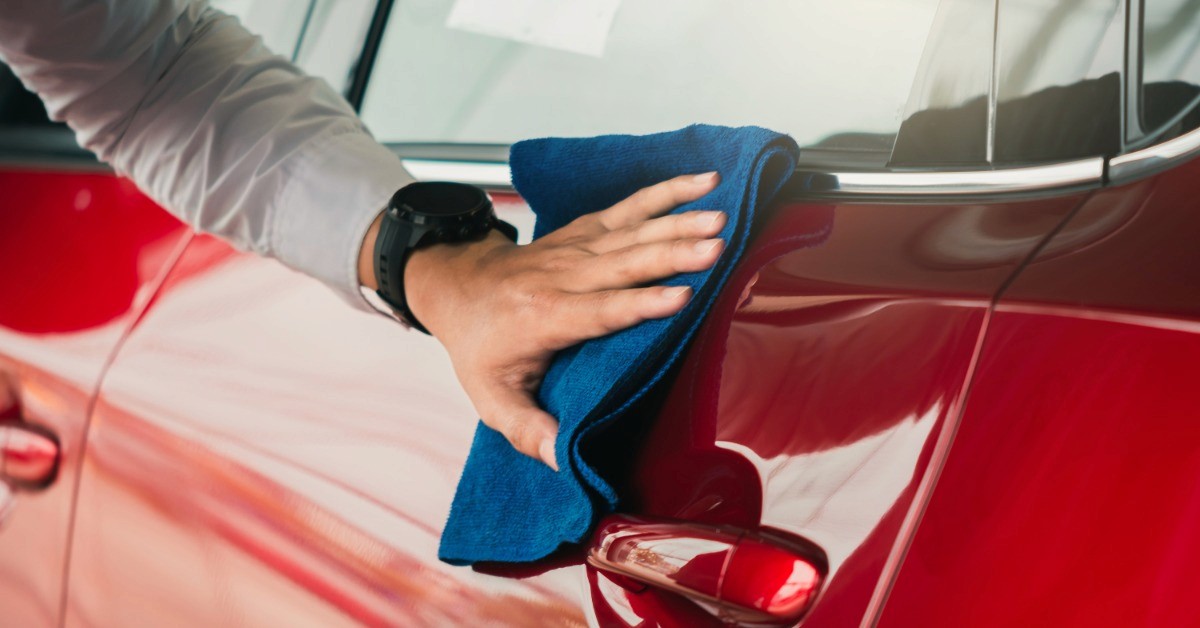
Water left to evaporate on its own may leave mineral deposits behind, especially in areas with hard water. Those spots can interrupt the clean appearance of gloss film and become particularly noticeable under bright sunlight. Drying the vehicle soon after rinsing keeps minerals from settling onto the surface as the water disappears.
Use a plush microfiber drying towel or filtered air blower to remove remaining moisture. Light pressure works best around film edges because repeated rubbing at a seam may encourage wear. Pay attention to mirrors, trim, panel gaps, and low edges where water collects before running back across freshly cleaned surfaces.
Choose Safe Cleaning Products
A protective film has its own surface chemistry, so products designed for bare paint aren’t automatically appropriate. Strong acidic cleaners, harsh alkaline formulas, abrasive compounds, and rough polishing products can change the film’s finish or damage its top layer. A pH-neutral automotive shampoo provides a dependable choice for routine washing.
Before applying waxes, sealants, stain removers, or specialty detailing chemicals, confirm that the product works with the installed film. Matte and satin PPF deserve extra attention because products formulated to increase gloss could change their appearance. When the manufacturer publishes approved care products, those recommendations provide the clearest starting point.
Treat Light Marks With Patience
Many modern PPF products include a self-healing top coat that responds to warmth. Fine surface marks may soften or disappear after exposure to moderate heat. The feature works on light surface imperfections, not deep cuts or damage that passes through the material.
Avoid attacking every visible mark with polish or aggressive correction methods. Abrasive compounds could alter the film and turn a small cosmetic issue into permanent surface damage. If a scratch remains visible after normal warmth and gentle cleaning, let the installer inspect it before attempting a stronger treatment.
Inspect the Film Between Washes
By conducting regular visual checks, spotting imperfections before they spread will be simple. Look closely around corners, panel edges, wheel arches, mirrors, and the front bumper for lifting, trapped debris, cuts, or unusual discoloration. Catching a loose edge early gives an installer a better opportunity to evaluate the film without additional road exposure pulling at the area.
Damage from road debris deserves the same attention. PPF absorbs impacts to protect the paint underneath, so a torn or punctured section may show that the film absorbed a significant hit. Avoid peeling, trimming, or pressing damaged film back into place at home because an installer can determine whether repair or panel replacement makes sense.
Paint Protection Film With a Pristine Finish
A steady maintenance routine keeps PPF looking polished without treating the vehicle like a display piece. Thoughtful vehicle care after PPF installation centers on gentle washing, prompt contaminant removal, careful drying, and attention to changes around the film’s edges. When damage or unusual lifting appears, professional inspection protects the film and the painted surface underneath.
Mile High Customs offers clear and colored PPF installation for Denver drivers. Our coverage options range from high-impact sections to full-vehicle protection. When you’re ready for a vehicle upgrade, contact our team of skilled installers.
Fresh paint protection film needs time for the adhesive to settle in. Washing, pressure, and aggressive cleaning products could interfere with newly installed edges. When you know how to care for your vehicle after PPF installation, you’ll be able to care for the auto upgrade properly.
Give Fresh Film Time To Set
A newly installed film continues developing its bond once the vehicle leaves the shop. Moisture used during installation can remain beneath the material for a short period, and small hazy areas or light pockets may appear as that moisture evaporates.
Avoid washing the vehicle until the installer’s recommended wait time has passed. LLumar advises waiting 72 hours before washing newly installed PPF, while others suggest waiting at least seven days. Following the instructions closely will ensure that drivers don’t disturb the bond.
Wash the Vehicle by Hand
Aggressive, automated car-washing equipment could damage the film. It’s best to wash the vehicle by hand once the initial wait period ends.
A soft wash mitt or clean microfiber cloth lifts dust and road film without grinding debris across the surface. Using clean water throughout the wash reduces the chance that trapped grit will drag across the film. Rinse the mitt frequently as dirt accumulates so that the same particles don’t keep moving from one panel to another.
Automatic tunnel washes introduce rotating brushes and repeated contact that may dull the surface or catch exposed film edges. Touchless washes avoid brush contact, although hand washing remains the preferred method in manufacturer care guidance. Working on a cool vehicle and out of direct sunlight also keeps soap and water from drying too quickly across the finish.
Avoid Pressure Washing at the Film’s Edges
High-pressure water becomes risky when the stream hits an edge from the wrong angle. Force directed beneath the film can weaken the bond and encourage lifting, especially around seams, wrapped edges, mirrors, bumpers, and other areas with complex contours. Even a well-installed film benefits from careful washing around these vulnerable points.
If a pressure washer is part of the cleaning routine, keep the nozzle well away from the surface and avoid aiming directly into film edges. Manufacturer distance and pressure limits vary by product, so the film maker’s care instructions take priority. A wide spray pattern and controlled distance provide a gentler approach than a concentrated jet aimed close to the panel.
Remove Contaminants Before They Harden
Bug residue, bird droppings, tree sap, fuel, and road grime become tough to remove after drying onto the surface. Some contaminants contain compounds that stain or mark exterior materials, and aggressive scrubbing increases the chance of damaging the film. Prompt removal keeps the cleanup lighter and protects the appearance of the protected panel.
For stubborn residue, soften the spot by applying a cleaner designed to clean the film. Another option is to use warm soapy water before wiping it with a clean microfiber towel. Heavy rubbing, scraping tools, and abrasive pads create more risk than patient cleaning.
Dry the Film Following Every Wash
Water left to evaporate on its own may leave mineral deposits behind, especially in areas with hard water. Those spots can interrupt the clean appearance of gloss film and become particularly noticeable under bright sunlight. Drying the vehicle soon after rinsing keeps minerals from settling onto the surface as the water disappears.
Use a plush microfiber drying towel or filtered air blower to remove remaining moisture. Light pressure works best around film edges because repeated rubbing at a seam may encourage wear. Pay attention to mirrors, trim, panel gaps, and low edges where water collects before running back across freshly cleaned surfaces.
Choose Safe Cleaning Products
A protective film has its own surface chemistry, so products designed for bare paint aren’t automatically appropriate. Strong acidic cleaners, harsh alkaline formulas, abrasive compounds, and rough polishing products can change the film’s finish or damage its top layer. A pH-neutral automotive shampoo provides a dependable choice for routine washing.
Before applying waxes, sealants, stain removers, or specialty detailing chemicals, confirm that the product works with the installed film. Matte and satin PPF deserve extra attention because products formulated to increase gloss could change their appearance. When the manufacturer publishes approved care products, those recommendations provide the clearest starting point.
Treat Light Marks With Patience
Many modern PPF products include a self-healing top coat that responds to warmth. Fine surface marks may soften or disappear after exposure to moderate heat. The feature works on light surface imperfections, not deep cuts or damage that passes through the material.
Avoid attacking every visible mark with polish or aggressive correction methods. Abrasive compounds could alter the film and turn a small cosmetic issue into permanent surface damage. If a scratch remains visible after normal warmth and gentle cleaning, let the installer inspect it before attempting a stronger treatment.
Inspect the Film Between Washes
By conducting regular visual checks, spotting imperfections before they spread will be simple. Look closely around corners, panel edges, wheel arches, mirrors, and the front bumper for lifting, trapped debris, cuts, or unusual discoloration. Catching a loose edge early gives an installer a better opportunity to evaluate the film without additional road exposure pulling at the area.
Damage from road debris deserves the same attention. PPF absorbs impacts to protect the paint underneath, so a torn or punctured section may show that the film absorbed a significant hit. Avoid peeling, trimming, or pressing damaged film back into place at home because an installer can determine whether repair or panel replacement makes sense.
Paint Protection Film With a Pristine Finish
A steady maintenance routine keeps PPF looking polished without treating the vehicle like a display piece. Thoughtful vehicle care after PPF installation centers on gentle washing, prompt contaminant removal, careful drying, and attention to changes around the film’s edges. When damage or unusual lifting appears, professional inspection protects the film and the painted surface underneath.
Mile High Customs offers clear and colored PPF installation for Denver drivers. Our coverage options range from high-impact sections to full-vehicle protection. When you’re ready for a vehicle upgrade, contact our team of skilled installers.

