Common Auto Styling Mistakes and How To Avoid Them
From selecting incompatible finishes to installing films on damaged surfaces, find out how to avoid various auto style mistakes before upgrading your car.
Date
Category
Vinyl Wrap
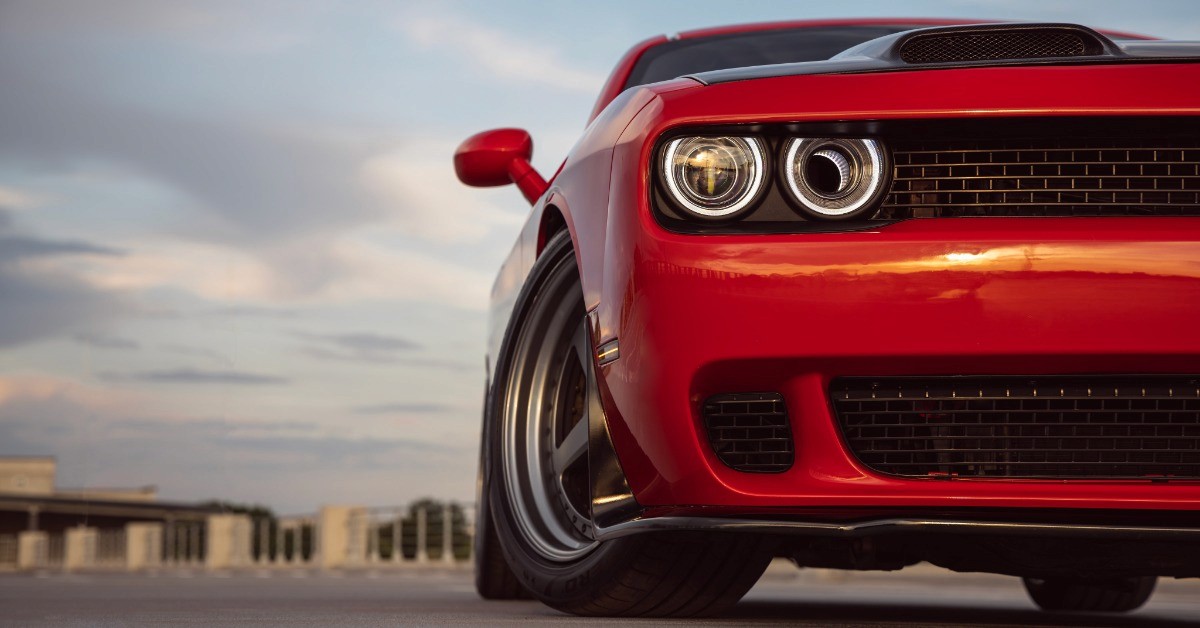
A well-styled vehicle looks intentional because every upgrade works with the shape and finish already on the car. Problems appear when owners chase individual changes and ignore how the finished vehicle will read as a whole. Some common auto styling mistakes affect appearance alone, yet others create fitment problems or leave valuable surfaces exposed. Knowing where projects go wrong makes it easier to choose upgrades suited to the vehicle and the way it gets driven.
Skipping a Cohesive Styling Plan
One impressive upgrade won’t automatically create a polished exterior. A dark window tint could pair beautifully with black trim, though the same choice could clash with bright chrome wheels or a warm paint color. Similar conflicts happen when owners select each modification at a different time with no shared visual direction.
Before choosing products, consider the vehicle as one complete design. Body color influences the finish of the wheels and exterior accents. Existing trim offers direction between gloss and satin surfaces. With a consistent theme, each change remains connected to the next one.
Choosing Trends Over Vehicle Character
It’s tempting to copy the latest auto look. A dramatic wrap or oversized wheel package might turn heads online, but the same choice could overwhelm your car’s body style.
Start with proportion instead of popularity. A compact coupe has less visual space for bold details than a large SUV, so oversized graphics or wheels might dominate the design rather than complement it. Color also changes the vehicle’s character. Bright shades highlight curves and body lines, while muted finishes give the exterior a soft, understated appearance.
Use trends as inspiration, and let the vehicle guide the final direction. When an upgrade complements the existing proportions and recognizable design cues, the finished look feels intentional rather than borrowed from someone else’s build.

Ignoring Existing Paint Condition
Fresh film or coating won’t erase problems beneath the surface. Scratches and chips remain visible through clear protection. Oxidation or failing clear coat could interfere with a refined finish.
Before protective products enter the picture, surface condition needs to shape the styling plan. Some vehicles benefit from paint correction before ceramic coating because correction removes eligible surface defects and improves visual clarity. Film installation relies on a properly prepared surface to achieve smooth coverage.
Addressing existing defects first gives the chosen styling product a strong foundation. The finished surface will reflect the quality you desire from the upgrade.
Treating Protection as Decoration
Wraps and paint protection film (PPF) attract people’s attention, but the materials serve different purposes. Vinyl wrap centers on color and design flexibility. PPF uses a thicker polyurethane structure to shield painted surfaces from road debris and light scratches.
Confusing those roles leaves owners with the wrong material for their priorities. Someone focused on graphic design could prefer vinyl because it supports extensive visual customization. A driver concerned about front-end chips could place greater value on PPF across exposed panels.
Ceramic coating serves another purpose by adding gloss and making bonded grime less stubborn during washing. Matching the product to the goal prevents owners from expecting one styling service to perform like another.
Picking Wheels for Their Design
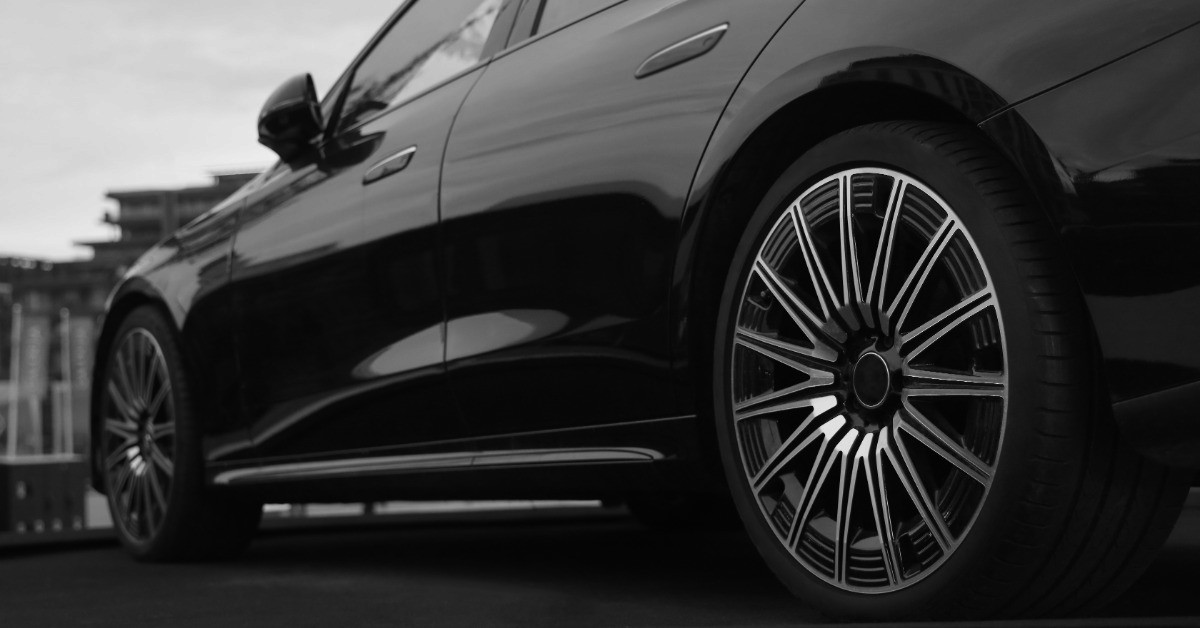
Wheel design changes the entire stance of a vehicle, so finish and spoke pattern naturally attract attention. Fitment deserves equal consideration because wheel diameter and width interact with tires and surrounding components. Choosing a package from appearance alone could create rubbing or inadequate clearance after mounting.
Tire choice affects how the upgrade performs on the road. Lower-profile tires sharpen the visual presence of many wheel packages, though they leave less sidewall between the wheel and pavement. All-season or performance-oriented tires support seamless handling for the setup.
Focus on finding a combination that suits the vehicle’s make, trim, and everyday driving conditions. This will make sure that the vehicle has a sturdy foundation and a sleek style.
Choosing Tint by Darkness Level Alone
Window tint changes the exterior profile quickly because darker glass creates a sleek and uniform appearance. Shade percentage deserves thoughtful consideration, too; it affects visibility and comfort level inside the cabin.
Film quality carries equal weight. Premium window films address heat transfer and glare and don’t rely solely on an extremely dark shade. The windshield and side windows serve different visibility purposes. One tint level may not make sense across every piece of glass.
A professional consultation lets drivers compare film options against their styling goals and local requirements. That conversation makes the finished shade easier to evaluate before installation begins.
Mixing Multiple Finishes
Several textures work on one custom vehicle when the design connects them visually. The trouble begins when gloss paint sits beside satin vinyl and polished wheels with no connecting elements. Each finish catches light differently, so an uncontrolled mix breaks up body lines. The individual upgrades will compete for attention and degrade the exterior’s quality.
Limiting the finish palette gives major design choices room to stand out. Satin accents may complement glossy paint when placement creates a deliberate contrast. Dark wheels repeat black trim and connect separate areas of the vehicle.
Even a bold color change benefits from restraint elsewhere because the primary finish already carries strong visual weight. Coordination keeps custom details expressive and prevents the exterior from appearing overloaded.
Create a Careful Auto Styling Plan
Great auto styling comes from choices suited to the vehicle and tied to a clear purpose. Avoiding these common auto styling mistakes means considering compatibility and surface condition before committing to a dramatic visual change. A careful approach leaves room for creativity and preserves the finish or function owners expect from a professional project.
Mile High Customs works with Denver drivers on vehicle styling and protection projects. When you need new PPF, contact our paint protection film installers to get a sleek appearance suited to your coverage preferences. For high-quality window tinting, our team will provide you with the darkness level you desire using a premium film.
Call Mile High Customs today to request a quote for your auto styling project. Our skilled installed will skillfully install high-quality products that accentuate the vehicle’s original style.
A well-styled vehicle looks intentional because every upgrade works with the shape and finish already on the car. Problems appear when owners chase individual changes and ignore how the finished vehicle will read as a whole. Some common auto styling mistakes affect appearance alone, yet others create fitment problems or leave valuable surfaces exposed. Knowing where projects go wrong makes it easier to choose upgrades suited to the vehicle and the way it gets driven.
Skipping a Cohesive Styling Plan
One impressive upgrade won’t automatically create a polished exterior. A dark window tint could pair beautifully with black trim, though the same choice could clash with bright chrome wheels or a warm paint color. Similar conflicts happen when owners select each modification at a different time with no shared visual direction.
Before choosing products, consider the vehicle as one complete design. Body color influences the finish of the wheels and exterior accents. Existing trim offers direction between gloss and satin surfaces. With a consistent theme, each change remains connected to the next one.
Choosing Trends Over Vehicle Character
It’s tempting to copy the latest auto look. A dramatic wrap or oversized wheel package might turn heads online, but the same choice could overwhelm your car’s body style.
Start with proportion instead of popularity. A compact coupe has less visual space for bold details than a large SUV, so oversized graphics or wheels might dominate the design rather than complement it. Color also changes the vehicle’s character. Bright shades highlight curves and body lines, while muted finishes give the exterior a soft, understated appearance.
Use trends as inspiration, and let the vehicle guide the final direction. When an upgrade complements the existing proportions and recognizable design cues, the finished look feels intentional rather than borrowed from someone else’s build.
Ignoring Existing Paint Condition
Fresh film or coating won’t erase problems beneath the surface. Scratches and chips remain visible through clear protection. Oxidation or failing clear coat could interfere with a refined finish.
Before protective products enter the picture, surface condition needs to shape the styling plan. Some vehicles benefit from paint correction before ceramic coating because correction removes eligible surface defects and improves visual clarity. Film installation relies on a properly prepared surface to achieve smooth coverage.
Addressing existing defects first gives the chosen styling product a strong foundation. The finished surface will reflect the quality you desire from the upgrade.
Treating Protection as Decoration
Wraps and paint protection film (PPF) attract people’s attention, but the materials serve different purposes. Vinyl wrap centers on color and design flexibility. PPF uses a thicker polyurethane structure to shield painted surfaces from road debris and light scratches.
Confusing those roles leaves owners with the wrong material for their priorities. Someone focused on graphic design could prefer vinyl because it supports extensive visual customization. A driver concerned about front-end chips could place greater value on PPF across exposed panels.
Ceramic coating serves another purpose by adding gloss and making bonded grime less stubborn during washing. Matching the product to the goal prevents owners from expecting one styling service to perform like another.
Picking Wheels for Their Design
Wheel design changes the entire stance of a vehicle, so finish and spoke pattern naturally attract attention. Fitment deserves equal consideration because wheel diameter and width interact with tires and surrounding components. Choosing a package from appearance alone could create rubbing or inadequate clearance after mounting.
Tire choice affects how the upgrade performs on the road. Lower-profile tires sharpen the visual presence of many wheel packages, though they leave less sidewall between the wheel and pavement. All-season or performance-oriented tires support seamless handling for the setup.
Focus on finding a combination that suits the vehicle’s make, trim, and everyday driving conditions. This will make sure that the vehicle has a sturdy foundation and a sleek style.
Choosing Tint by Darkness Level Alone
Window tint changes the exterior profile quickly because darker glass creates a sleek and uniform appearance. Shade percentage deserves thoughtful consideration, too; it affects visibility and comfort level inside the cabin.
Film quality carries equal weight. Premium window films address heat transfer and glare and don’t rely solely on an extremely dark shade. The windshield and side windows serve different visibility purposes. One tint level may not make sense across every piece of glass.
A professional consultation lets drivers compare film options against their styling goals and local requirements. That conversation makes the finished shade easier to evaluate before installation begins.
Mixing Multiple Finishes
Several textures work on one custom vehicle when the design connects them visually. The trouble begins when gloss paint sits beside satin vinyl and polished wheels with no connecting elements. Each finish catches light differently, so an uncontrolled mix breaks up body lines. The individual upgrades will compete for attention and degrade the exterior’s quality.
Limiting the finish palette gives major design choices room to stand out. Satin accents may complement glossy paint when placement creates a deliberate contrast. Dark wheels repeat black trim and connect separate areas of the vehicle.
Even a bold color change benefits from restraint elsewhere because the primary finish already carries strong visual weight. Coordination keeps custom details expressive and prevents the exterior from appearing overloaded.
Create a Careful Auto Styling Plan
Great auto styling comes from choices suited to the vehicle and tied to a clear purpose. Avoiding these common auto styling mistakes means considering compatibility and surface condition before committing to a dramatic visual change. A careful approach leaves room for creativity and preserves the finish or function owners expect from a professional project.
Mile High Customs works with Denver drivers on vehicle styling and protection projects. When you need new PPF, contact our paint protection film installers to get a sleek appearance suited to your coverage preferences. For high-quality window tinting, our team will provide you with the darkness level you desire using a premium film.
Call Mile High Customs today to request a quote for your auto styling project. Our skilled installed will skillfully install high-quality products that accentuate the vehicle’s original style.

