Ceramic Coating Hardness Ratings Explained: What Really Matters
There isn't a single type of ceramic coating product to protect your vehicle. Learn about the different types of ceramic coating hardness ratings.
Date
Jul 29, 2026
Category
PPF

Ceramic coatings create a thin protective layer over a vehicle’s clear coat through advanced chemical bonding. Many formulas rely on silicon dioxide that cures into a strong, shiny surface.
However, there are multiple coating options to choose from. Ceramic coating hardness ratings offer varying degrees of surface resistance against UV rays, chemical residue, and everyday surface wear. Before installing a ceramic coating, find out which rating level suits your vehicle the best.
7H Ceramic Coatings
A common ceramic coating starting point a 7H rating. It offers surface resistance above wax or paint sealant after it cures, while still maintaining a focus on gloss enhancement and overall finish quality. The protective layer improves visual depth and adds a barrier over the car's clear coat.
Many 7H products use ceramic chemistry with a moderate solids content, which influences how the coating behaves during both application and curing. The formula spreads smoothly across prepared paint and transforms into a polished surface that reflects light evenly. Because the film cures with less density than higher-rated coatings, it fits vehicles where basic ceramic protection is the goal.
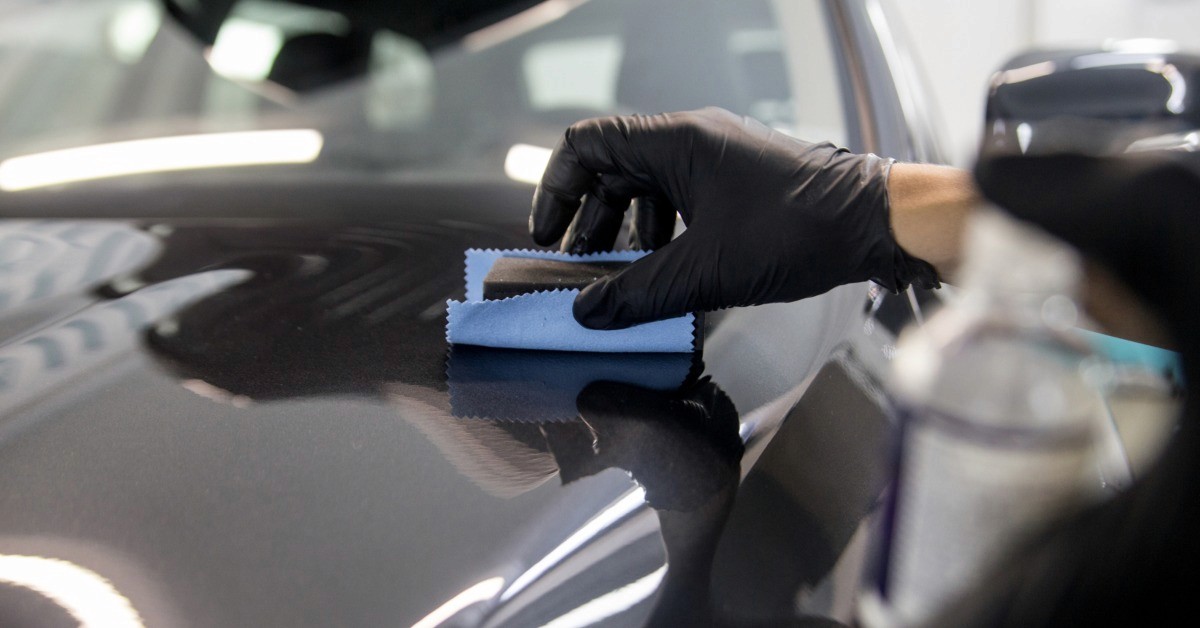
The installer applies the coating in small sections to maintain control over coverage and leveling. The product begins to flash as it reacts with the surface, which requires attention during the wipe-down stage to avoid uneven areas.
A 7H coating turns into a smooth layer that resists light contact less aggressively than 8H or 9H options. That lower resistance level reflects the rating itself, not poor coating quality. It means the cured film has less surface hardness than coatings with higher rating claims.
8H Ceramic Coatings
An 8H ceramic is a balanced option that uses ceramic resin blends with a solid film after curing. It provides ample shine and dependable surface resistance. That balance gives the coating a useful role between basic ceramic protection and high-hardness professional systems.
The hardened layer forms a denser film with a higher concentration of ceramic solids when compared with 7H products. As a result, the coating resists fine abrasion consistently.
This rating often marks the point where ceramic protection is valuable during routine care. The cured layer resists light towel marks and minor wash-induced wear with more consistency than 7H options. It also supports chemical resistance against grime and residue because the surface creates a tight barrier over the clear coat.
Application resembles the 7H process, but timing can become more sensitive. The installer works in small areas. As the coating begins to haze during application, it signals that solvents are evaporating and the product is hardening on the surface. At that point, the installer must level the coating with a towel before it hardens into visible streaks.
9H Ceramic Coatings
One of the most recognized professional coatings is the 9H rating. This level of protection includes a dense cured layer with strong resistance against fine surface wear. Dust, sand, drying towels, and light debris leave visible traces on unprotected paint. Drivers concerned about fine wash marks and minor surface abrasion commonly select this rating.
The formula uses silicon dioxide combined with ceramic polymers. The ingredients bond with the clear coat during the curing process. After curing, the coating forms a hard top layer.
The 9H ceramic coating also works well as a midpoint between hardness and finish quality. A properly installed 9H coating delivers a high-gloss appearance and resists everything from bird droppings to road grime. While the paint job doesn’t become immune to damage, the surface becomes more resilient.
10H Ceramic Coatings
A 10H ceramic coating represents the high end of hardness claims in the automotive coating market. The number suggests increased surface resistance when compared with 9H products. That comparison only carries value when the formula comes from a proven coating system with consistent performance.
Some 10H products use advanced ceramic resin blends or layered application methods to build a dense cured film over the paint. This structure forms a surface that resists fine marks from careful washing and drying. The benefit comes from both the material itself and the way it bonds with the clear coat during installation.
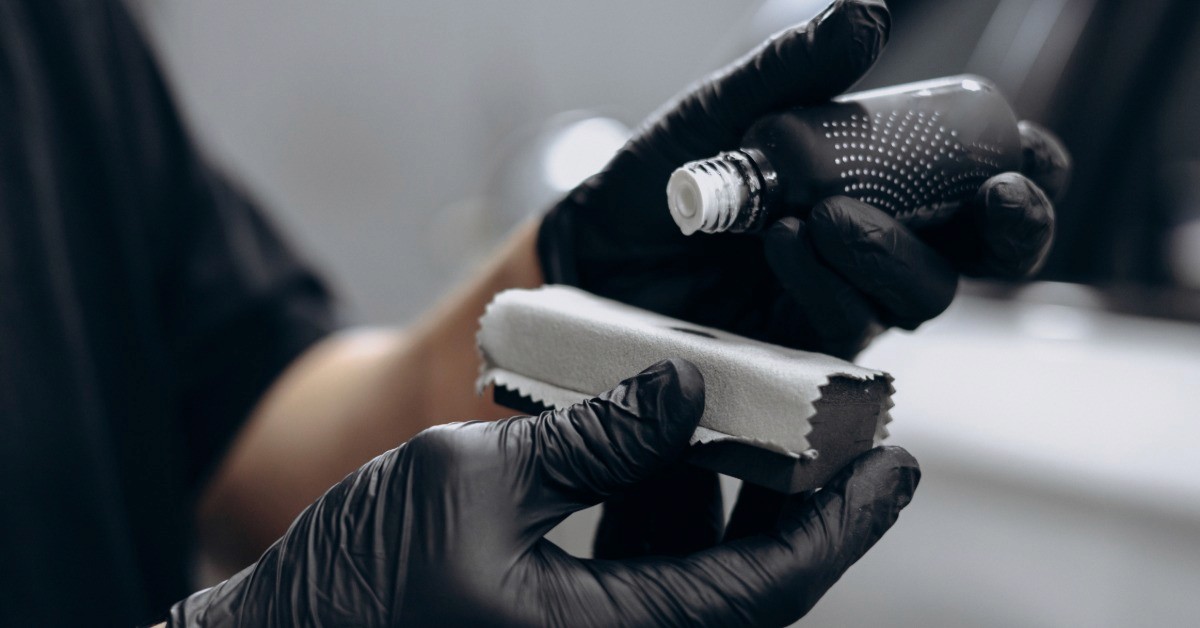
The application process often demands strict timing and controlled technique. Some formulas require specific cure windows or stable shop conditions to achieve the intended hardness level. A technician must level each section thoroughly during application because high spots can become difficult to remove once the coating hardens.
Why Ratings Alone Don’t Explain Every Feature
Ceramic coating hardness ratings help drivers understand surface resistance, but the number never tells the whole story. A coating must bond to clean and prepared paint. If contamination remains on the surface, the finished result can suffer no matter how high the rating sounds.
Hardness also doesn’t measure every performance trait. One coating might resist chemicals well while another emphasizes gloss. Prep work carries as much weight as the product label because paint correction removes haze before the coating locks in the finish.
What Drivers Need To Evaluate First
Gloss Depth
Gloss depth begins with the condition of the paint beneath the coating, since any imperfection remains visible after installation. A ceramic layer enhances clarity and reflectivity across the surface, so proper paint correction plays a central role in achieving a refined finish.
Swirls, haze, or oxidation reduce visual depth, and those issues require correction before any coating application. Drivers who want a rich showroom appearance usually choose 8H or 9H products because those coatings support a polished finish and strong surface protection.
UV Exposure
UV exposure gradually breaks down the clear coat, leading to fading, oxidation, and a dull appearance across the paint surface. Prolonged sunlight exposure accelerates this process, especially in high-altitude regions where UV intensity remains elevated throughout the year.
A ceramic coating decreases direct contact with harmful rays and preserves the original finish. Many drivers in Colorado choose 9H or 10H coatings because these options provide a durable barrier suited for consistent outdoor exposure.
Light Scratch Resistance
Light scratch resistance becomes most noticeable during daily driving because fine debris and airborne particles form subtle marks across unprotected paint. A 9H and 10H ceramic coating rating resists minor surface wear caused by dust, sand, and light debris contact. While these coatings won't prevent deep damage from large impacts, they will limit visible wear for a refined appearance.
Chemical Resistance
Road salt, bug residue, bird droppings, and grime damage the car’s original paint job when left on the surface for long periods. A coating with strong chemical resistance forms a barrier that slows staining and surface etching during daily use. The 9H rating supplies a durable layer with reliable performance under repeated contact.
Choose a Coating With Expert Guidance
The most valuable ceramic coatings are the ones with ratings that match your vehicle's condition and your personal preferences. Mile High Customs approaches each vehicle with a high level of care. Our certified installers understand how to prepare, apply, and cure ceramic coatings to ensure long-term performance. For long-lasting shine and surface protection, schedule a consultation with Mile High Customs for a premium ceramic car coating service.
Ceramic coatings create a thin protective layer over a vehicle’s clear coat through advanced chemical bonding. Many formulas rely on silicon dioxide that cures into a strong, shiny surface.
However, there are multiple coating options to choose from. Ceramic coating hardness ratings offer varying degrees of surface resistance against UV rays, chemical residue, and everyday surface wear. Before installing a ceramic coating, find out which rating level suits your vehicle the best.
7H Ceramic Coatings
A common ceramic coating starting point a 7H rating. It offers surface resistance above wax or paint sealant after it cures, while still maintaining a focus on gloss enhancement and overall finish quality. The protective layer improves visual depth and adds a barrier over the car's clear coat.
Many 7H products use ceramic chemistry with a moderate solids content, which influences how the coating behaves during both application and curing. The formula spreads smoothly across prepared paint and transforms into a polished surface that reflects light evenly. Because the film cures with less density than higher-rated coatings, it fits vehicles where basic ceramic protection is the goal.
The installer applies the coating in small sections to maintain control over coverage and leveling. The product begins to flash as it reacts with the surface, which requires attention during the wipe-down stage to avoid uneven areas.
A 7H coating turns into a smooth layer that resists light contact less aggressively than 8H or 9H options. That lower resistance level reflects the rating itself, not poor coating quality. It means the cured film has less surface hardness than coatings with higher rating claims.
8H Ceramic Coatings
An 8H ceramic is a balanced option that uses ceramic resin blends with a solid film after curing. It provides ample shine and dependable surface resistance. That balance gives the coating a useful role between basic ceramic protection and high-hardness professional systems.
The hardened layer forms a denser film with a higher concentration of ceramic solids when compared with 7H products. As a result, the coating resists fine abrasion consistently.
This rating often marks the point where ceramic protection is valuable during routine care. The cured layer resists light towel marks and minor wash-induced wear with more consistency than 7H options. It also supports chemical resistance against grime and residue because the surface creates a tight barrier over the clear coat.
Application resembles the 7H process, but timing can become more sensitive. The installer works in small areas. As the coating begins to haze during application, it signals that solvents are evaporating and the product is hardening on the surface. At that point, the installer must level the coating with a towel before it hardens into visible streaks.
9H Ceramic Coatings
One of the most recognized professional coatings is the 9H rating. This level of protection includes a dense cured layer with strong resistance against fine surface wear. Dust, sand, drying towels, and light debris leave visible traces on unprotected paint. Drivers concerned about fine wash marks and minor surface abrasion commonly select this rating.
The formula uses silicon dioxide combined with ceramic polymers. The ingredients bond with the clear coat during the curing process. After curing, the coating forms a hard top layer.
The 9H ceramic coating also works well as a midpoint between hardness and finish quality. A properly installed 9H coating delivers a high-gloss appearance and resists everything from bird droppings to road grime. While the paint job doesn’t become immune to damage, the surface becomes more resilient.
10H Ceramic Coatings
A 10H ceramic coating represents the high end of hardness claims in the automotive coating market. The number suggests increased surface resistance when compared with 9H products. That comparison only carries value when the formula comes from a proven coating system with consistent performance.
Some 10H products use advanced ceramic resin blends or layered application methods to build a dense cured film over the paint. This structure forms a surface that resists fine marks from careful washing and drying. The benefit comes from both the material itself and the way it bonds with the clear coat during installation.
The application process often demands strict timing and controlled technique. Some formulas require specific cure windows or stable shop conditions to achieve the intended hardness level. A technician must level each section thoroughly during application because high spots can become difficult to remove once the coating hardens.
Why Ratings Alone Don’t Explain Every Feature
Ceramic coating hardness ratings help drivers understand surface resistance, but the number never tells the whole story. A coating must bond to clean and prepared paint. If contamination remains on the surface, the finished result can suffer no matter how high the rating sounds.
Hardness also doesn’t measure every performance trait. One coating might resist chemicals well while another emphasizes gloss. Prep work carries as much weight as the product label because paint correction removes haze before the coating locks in the finish.
What Drivers Need To Evaluate First
Gloss Depth
Gloss depth begins with the condition of the paint beneath the coating, since any imperfection remains visible after installation. A ceramic layer enhances clarity and reflectivity across the surface, so proper paint correction plays a central role in achieving a refined finish.
Swirls, haze, or oxidation reduce visual depth, and those issues require correction before any coating application. Drivers who want a rich showroom appearance usually choose 8H or 9H products because those coatings support a polished finish and strong surface protection.
UV Exposure
UV exposure gradually breaks down the clear coat, leading to fading, oxidation, and a dull appearance across the paint surface. Prolonged sunlight exposure accelerates this process, especially in high-altitude regions where UV intensity remains elevated throughout the year.
A ceramic coating decreases direct contact with harmful rays and preserves the original finish. Many drivers in Colorado choose 9H or 10H coatings because these options provide a durable barrier suited for consistent outdoor exposure.
Light Scratch Resistance
Light scratch resistance becomes most noticeable during daily driving because fine debris and airborne particles form subtle marks across unprotected paint. A 9H and 10H ceramic coating rating resists minor surface wear caused by dust, sand, and light debris contact. While these coatings won't prevent deep damage from large impacts, they will limit visible wear for a refined appearance.
Chemical Resistance
Road salt, bug residue, bird droppings, and grime damage the car’s original paint job when left on the surface for long periods. A coating with strong chemical resistance forms a barrier that slows staining and surface etching during daily use. The 9H rating supplies a durable layer with reliable performance under repeated contact.
Choose a Coating With Expert Guidance
The most valuable ceramic coatings are the ones with ratings that match your vehicle's condition and your personal preferences. Mile High Customs approaches each vehicle with a high level of care. Our certified installers understand how to prepare, apply, and cure ceramic coatings to ensure long-term performance. For long-lasting shine and surface protection, schedule a consultation with Mile High Customs for a premium ceramic car coating service.

