Ceramic Coating and PPF: Should You Combine Them?
Ceramic coating and paint protection film function separately, but can you combine them? Find out how these treatments work together for comprehensive coverage.
Date
Sep 25, 2026
Category
PPF

From loose road debris to sunlight and grime, a pristine vehicle encounters countless hazards on every drive. Car owners who want to preserve the paint job encounter two popular protection options: ceramic coating and paint protection film (PPF). Although both protect exterior surfaces, they respond to different types of dangers. Learning about what ceramic coating and PPF are and whether combining them is possible will lead you to the right protection method for the vehicle.
How Ceramic Coating Functions
Ceramic coating forms a thin protective layer across painted surfaces through chemical bonding. Many automotive coatings use ceramic-based compounds such as silicon dioxide, which cure across the clear coat and leave behind a slick surface. Once cured, the coating becomes part of the exterior protection system rather than sitting loosely across the paint like a temporary wax.
Surface Behavior
Surface behavior separates ceramic coating from various detailing products. Water beads across the slick finish, and dirt has few chances to cling firmly to the surface. Environmental contaminants ranging from bird droppings to mineral deposits still require removal through cleaning the vehicle. However, the coating prevents direct contact with the car’s clear coat.
Defense Against the Minor Hazards
Ceramic coating is a very durable barrier. However, it doesn’t provide a foolproof defense against sharp physical impacts. Gravel traveling at highway speed or debris striking the front bumper carries enough force to damage paint despite the coating. Its strength lies in surface protection, chemical resistance, gloss, and maintenance benefits.
Gloss and Shine
Gloss remains another noticeable feature. A properly prepared surface reflects light evenly, so paint colors gain depth and definition after application. Ceramic coating also provides resistance against UV exposure and oxidation, making it useful for vehicles that spend substantial time outdoors.
What Paint Protection Film Defends Against
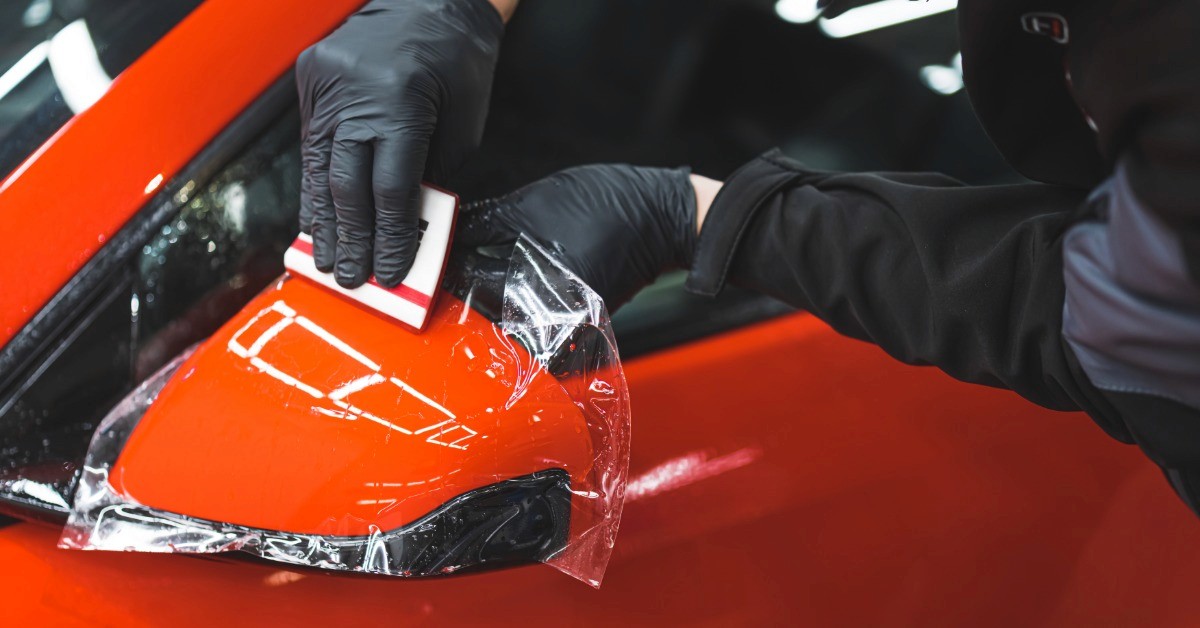
Paint protection film relies on a completely different structure. Installers secure a polyurethane film directly over the painted body panels. The adhesive underneath the material secures it to the surface to form a physical barrier between the paint and debris.
Surface Protection
The film’s thickness allows it to absorb contact that a ceramic coating isn’t designed to handle. Small stones, sand, road grit, and light abrasions strike the film first, limiting direct damage to the finish beneath it. Many modern films also contain self-healing surface properties that allow light marks in the film to soften when exposed to heat.
Application Style
PPF works especially well across areas that experience frequent impact. Front bumpers, hoods, fenders, mirror caps, rocker panels, and leading roof edges face consistent exposure on highways and rough roads. Drivers can protect selected sections or cover the entire painted exterior depending on their priorities.
How the Layers Work Together
Combining these services brings two types of exterior defense onto the same vehicle. First, the paint protection film handles physical contact. Then, the ceramic coating focuses on collecting contaminants on the exposed surface.
Application order plays an important role in the outcome. Professionals typically install PPF directly onto the vehicle’s clear coat before applying a compatible ceramic coating over the film. Ceramic coating underneath PPF could interfere with the adhesive bond, so installers must account for any existing coating before placing the film.
Once the coating covers compatible PPF, the film retains its impact-resistant function while gaining a slick hydrophobic surface. Water, mud, road residue, and environmental contaminants release from the exterior with less effort during routine washing. Meanwhile, uncovered painted panels can receive ceramic coating for similar surface behavior across the rest of the vehicle.
The combination doesn’t turn either material into something it isn’t. Ceramic coating won’t increase the film’s thickness, and PPF won’t provide every surface characteristic associated with a coating. Instead, each layer handles a separate category of exposure.
Areas To Install PPF on the Car
Full-body PPF offers extensive physical coverage, although every vehicle doesn’t face the same conditions. Driving habits and road exposure usually determine where film provides the most value.
A vehicle that spends substantial time on highways encounters debris at speed, especially around the front end. Mountain roads, construction zones, loose gravel, and winter road treatments also expose low and forward-facing panels to repeated contact. Under those conditions, protecting the bumper, hood, front fenders, and mirrors concentrates the film where impact occurs frequently.
Partial PPF coverage can pair naturally with ceramic coating across the remaining painted surfaces. The vehicle receives impact protection in vulnerable areas and surface protection across panels that face less direct debris contact. This approach lets each material perform according to its primary purpose without treating every panel exactly the same.
When Ceramic Coating Works Well Alone
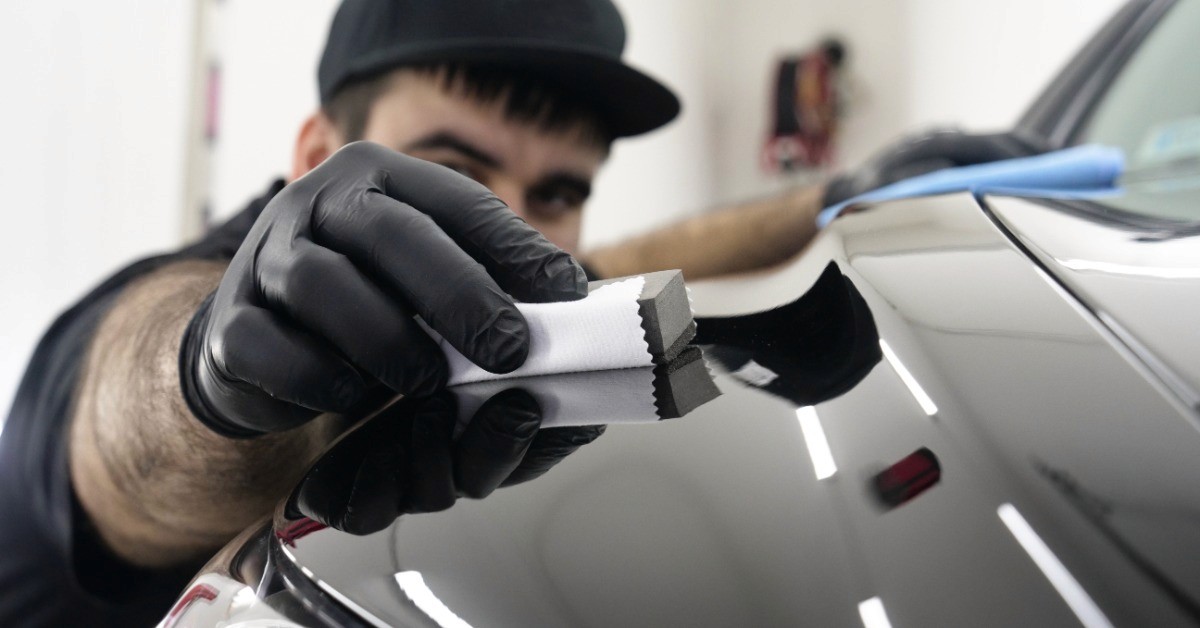
Some drivers prioritize gloss, surface cleanliness, and resistance against environmental contamination over impact protection. In those situations, ceramic coating by itself may align closely with the vehicle’s exposure.
Cars driven on maintained urban roads experience another type of exterior wear. Sun exposure, rainfall, bird droppings, dust, road film, and mineral residue gradually affect the finish. Ceramic coating provides a defensive surface against those contaminants and preserves a smooth appearance through regular care.
Garaged vehicles and cars driven occasionally fit this category as well. If physical road damage presents a limited concern, covering the entire exterior with PPF may not match the owner’s priorities. Ceramic coating offers a focused approach centered on finish quality and surface maintenance.
When PPF Works Well Alone
Physical paint damage sometimes ranks above every other concern. Vehicles that accumulate highway mileage or travel through areas with loose debris benefit from the barrier that polyurethane film provides.
PPF alone remains useful even without ceramic coating on top. The film shields selected panels from chips and light abrasions, preserving the paint beneath those high-exposure areas. Owners who already maintain their vehicles regularly may decide that hydrophobic behavior and added surface slickness aren’t priorities.
Plan the Application in the Right Order
Vehicles that will receive both services require thoughtful preparation because each layer depends on the surface beneath it. Paint condition deserves attention before film or coating covers the exterior. Contamination, swirl marks, stains, or paint defects remain visible after protection goes on, so installers inspect and prepare the finish before application.
PPF generally comes first because its adhesive must contact a clean and suitable painted surface. After installation, the film requires the appropriate settling or curing period based on its material specifications. A compatible ceramic coating can then cover the film and any exposed painted panels.
Drivers with an existing ceramic coating require a different approach. A professional must evaluate whether the coating remains on areas scheduled for PPF because residual coating could affect adhesion. Removing or preparing those sections properly gives the film the surface conditions required for secure installation.
Find the Best Combination To Protect Your Vehicle
There isn’t a single protection plan that suits every driver. Road conditions, parking environment, exterior care habits, and the condition of the paint all influence whether one service or a combined approach fits the vehicle.
For drivers considering combining ceramic coating and PPF, reach out to Mile High Customs. Our team consists of PPF and ceramic coating professionals who will evaluate the car’s current condition and understand your auto upgrade preferences before recommending a coverage technique. With our expert guidance, our team will be able to provide your vehicle with the protective coating it needs. Schedule an appointment at our premium facility to finalize the protection plan.
From loose road debris to sunlight and grime, a pristine vehicle encounters countless hazards on every drive. Car owners who want to preserve the paint job encounter two popular protection options: ceramic coating and paint protection film (PPF). Although both protect exterior surfaces, they respond to different types of dangers. Learning about what ceramic coating and PPF are and whether combining them is possible will lead you to the right protection method for the vehicle.
How Ceramic Coating Functions
Ceramic coating forms a thin protective layer across painted surfaces through chemical bonding. Many automotive coatings use ceramic-based compounds such as silicon dioxide, which cure across the clear coat and leave behind a slick surface. Once cured, the coating becomes part of the exterior protection system rather than sitting loosely across the paint like a temporary wax.
Surface Behavior
Surface behavior separates ceramic coating from various detailing products. Water beads across the slick finish, and dirt has few chances to cling firmly to the surface. Environmental contaminants ranging from bird droppings to mineral deposits still require removal through cleaning the vehicle. However, the coating prevents direct contact with the car’s clear coat.
Defense Against the Minor Hazards
Ceramic coating is a very durable barrier. However, it doesn’t provide a foolproof defense against sharp physical impacts. Gravel traveling at highway speed or debris striking the front bumper carries enough force to damage paint despite the coating. Its strength lies in surface protection, chemical resistance, gloss, and maintenance benefits.
Gloss and Shine
Gloss remains another noticeable feature. A properly prepared surface reflects light evenly, so paint colors gain depth and definition after application. Ceramic coating also provides resistance against UV exposure and oxidation, making it useful for vehicles that spend substantial time outdoors.
What Paint Protection Film Defends Against
Paint protection film relies on a completely different structure. Installers secure a polyurethane film directly over the painted body panels. The adhesive underneath the material secures it to the surface to form a physical barrier between the paint and debris.
Surface Protection
The film’s thickness allows it to absorb contact that a ceramic coating isn’t designed to handle. Small stones, sand, road grit, and light abrasions strike the film first, limiting direct damage to the finish beneath it. Many modern films also contain self-healing surface properties that allow light marks in the film to soften when exposed to heat.
Application Style
PPF works especially well across areas that experience frequent impact. Front bumpers, hoods, fenders, mirror caps, rocker panels, and leading roof edges face consistent exposure on highways and rough roads. Drivers can protect selected sections or cover the entire painted exterior depending on their priorities.
How the Layers Work Together
Combining these services brings two types of exterior defense onto the same vehicle. First, the paint protection film handles physical contact. Then, the ceramic coating focuses on collecting contaminants on the exposed surface.
Application order plays an important role in the outcome. Professionals typically install PPF directly onto the vehicle’s clear coat before applying a compatible ceramic coating over the film. Ceramic coating underneath PPF could interfere with the adhesive bond, so installers must account for any existing coating before placing the film.
Once the coating covers compatible PPF, the film retains its impact-resistant function while gaining a slick hydrophobic surface. Water, mud, road residue, and environmental contaminants release from the exterior with less effort during routine washing. Meanwhile, uncovered painted panels can receive ceramic coating for similar surface behavior across the rest of the vehicle.
The combination doesn’t turn either material into something it isn’t. Ceramic coating won’t increase the film’s thickness, and PPF won’t provide every surface characteristic associated with a coating. Instead, each layer handles a separate category of exposure.
Areas To Install PPF on the Car
Full-body PPF offers extensive physical coverage, although every vehicle doesn’t face the same conditions. Driving habits and road exposure usually determine where film provides the most value.
A vehicle that spends substantial time on highways encounters debris at speed, especially around the front end. Mountain roads, construction zones, loose gravel, and winter road treatments also expose low and forward-facing panels to repeated contact. Under those conditions, protecting the bumper, hood, front fenders, and mirrors concentrates the film where impact occurs frequently.
Partial PPF coverage can pair naturally with ceramic coating across the remaining painted surfaces. The vehicle receives impact protection in vulnerable areas and surface protection across panels that face less direct debris contact. This approach lets each material perform according to its primary purpose without treating every panel exactly the same.
When Ceramic Coating Works Well Alone
Some drivers prioritize gloss, surface cleanliness, and resistance against environmental contamination over impact protection. In those situations, ceramic coating by itself may align closely with the vehicle’s exposure.
Cars driven on maintained urban roads experience another type of exterior wear. Sun exposure, rainfall, bird droppings, dust, road film, and mineral residue gradually affect the finish. Ceramic coating provides a defensive surface against those contaminants and preserves a smooth appearance through regular care.
Garaged vehicles and cars driven occasionally fit this category as well. If physical road damage presents a limited concern, covering the entire exterior with PPF may not match the owner’s priorities. Ceramic coating offers a focused approach centered on finish quality and surface maintenance.
When PPF Works Well Alone
Physical paint damage sometimes ranks above every other concern. Vehicles that accumulate highway mileage or travel through areas with loose debris benefit from the barrier that polyurethane film provides.
PPF alone remains useful even without ceramic coating on top. The film shields selected panels from chips and light abrasions, preserving the paint beneath those high-exposure areas. Owners who already maintain their vehicles regularly may decide that hydrophobic behavior and added surface slickness aren’t priorities.
Plan the Application in the Right Order
Vehicles that will receive both services require thoughtful preparation because each layer depends on the surface beneath it. Paint condition deserves attention before film or coating covers the exterior. Contamination, swirl marks, stains, or paint defects remain visible after protection goes on, so installers inspect and prepare the finish before application.
PPF generally comes first because its adhesive must contact a clean and suitable painted surface. After installation, the film requires the appropriate settling or curing period based on its material specifications. A compatible ceramic coating can then cover the film and any exposed painted panels.
Drivers with an existing ceramic coating require a different approach. A professional must evaluate whether the coating remains on areas scheduled for PPF because residual coating could affect adhesion. Removing or preparing those sections properly gives the film the surface conditions required for secure installation.
Find the Best Combination To Protect Your Vehicle
There isn’t a single protection plan that suits every driver. Road conditions, parking environment, exterior care habits, and the condition of the paint all influence whether one service or a combined approach fits the vehicle.
For drivers considering combining ceramic coating and PPF, reach out to Mile High Customs. Our team consists of PPF and ceramic coating professionals who will evaluate the car’s current condition and understand your auto upgrade preferences before recommending a coverage technique. With our expert guidance, our team will be able to provide your vehicle with the protective coating it needs. Schedule an appointment at our premium facility to finalize the protection plan.

